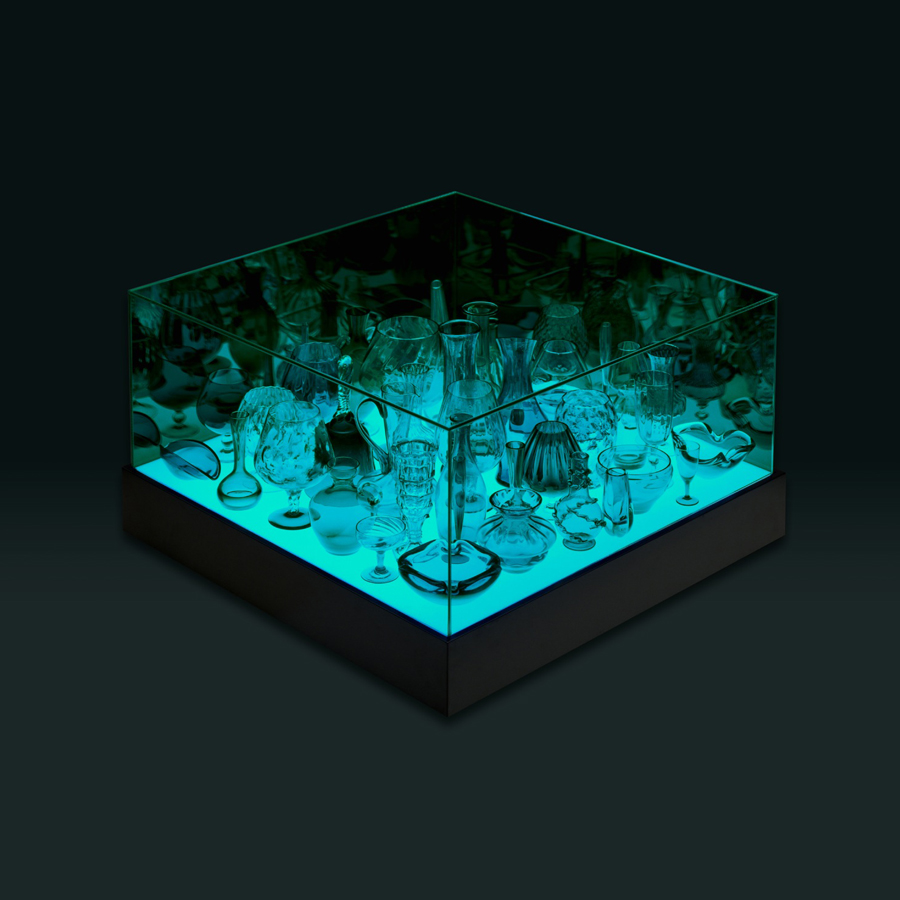
Aladdin (2006)
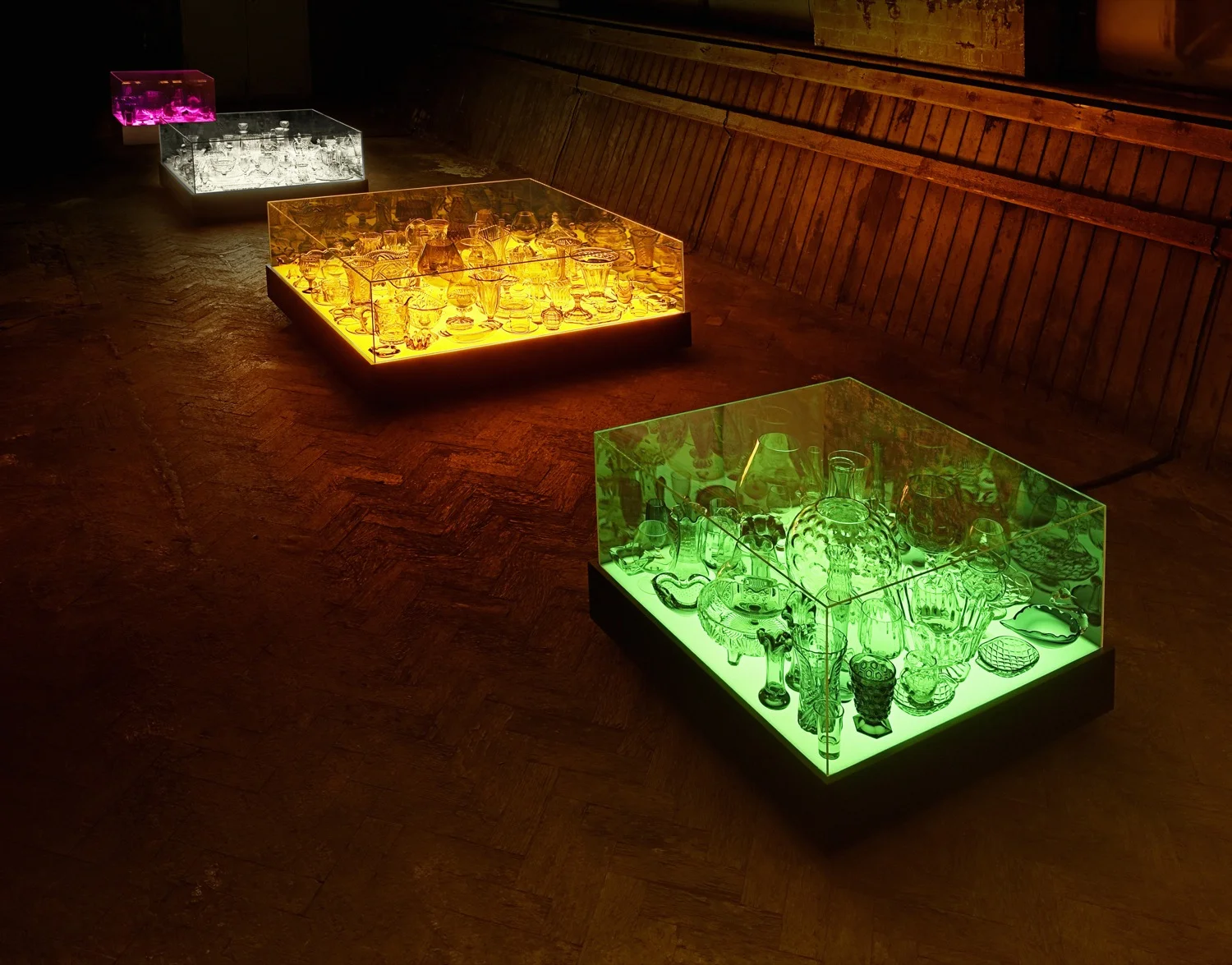
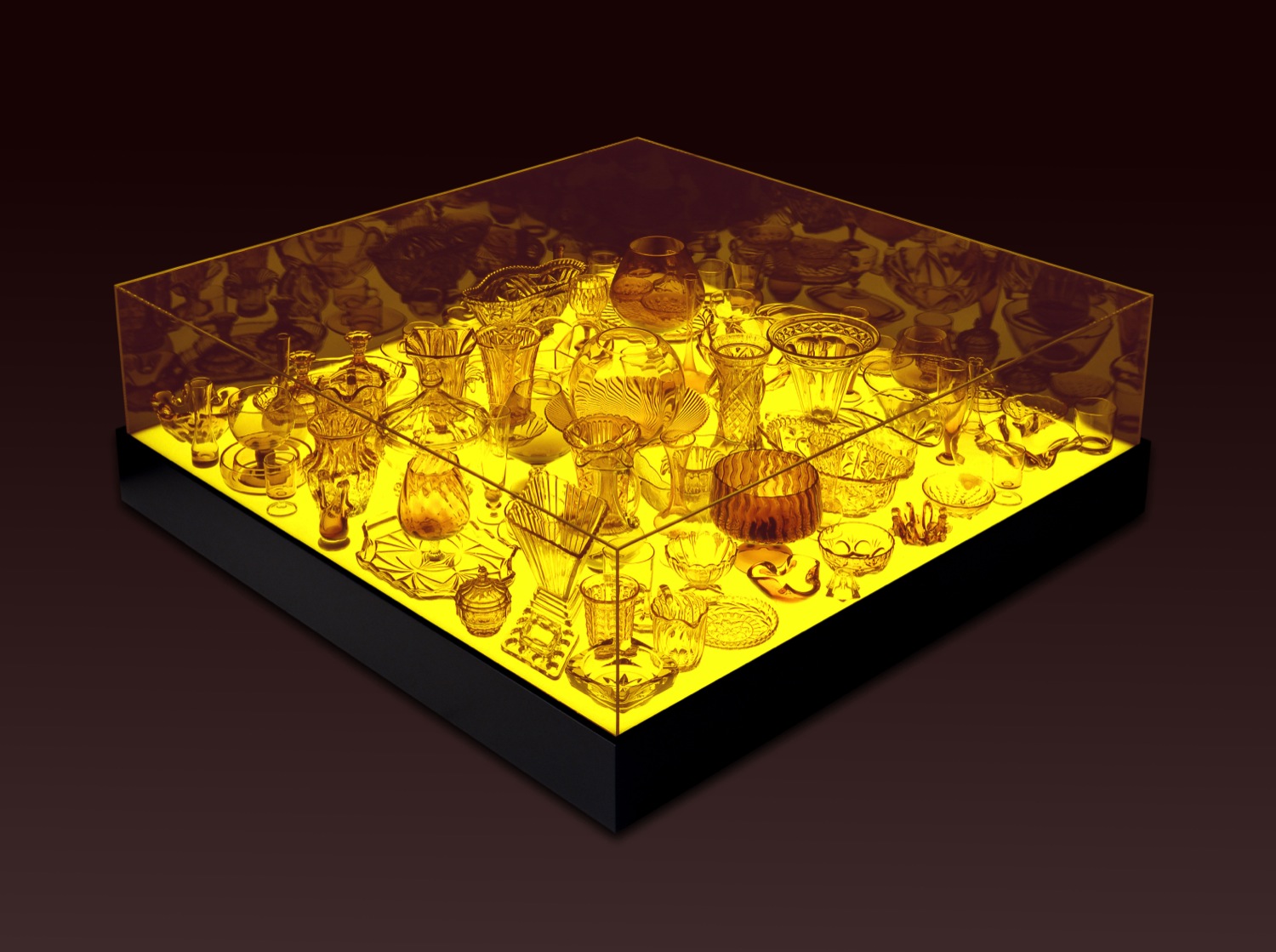
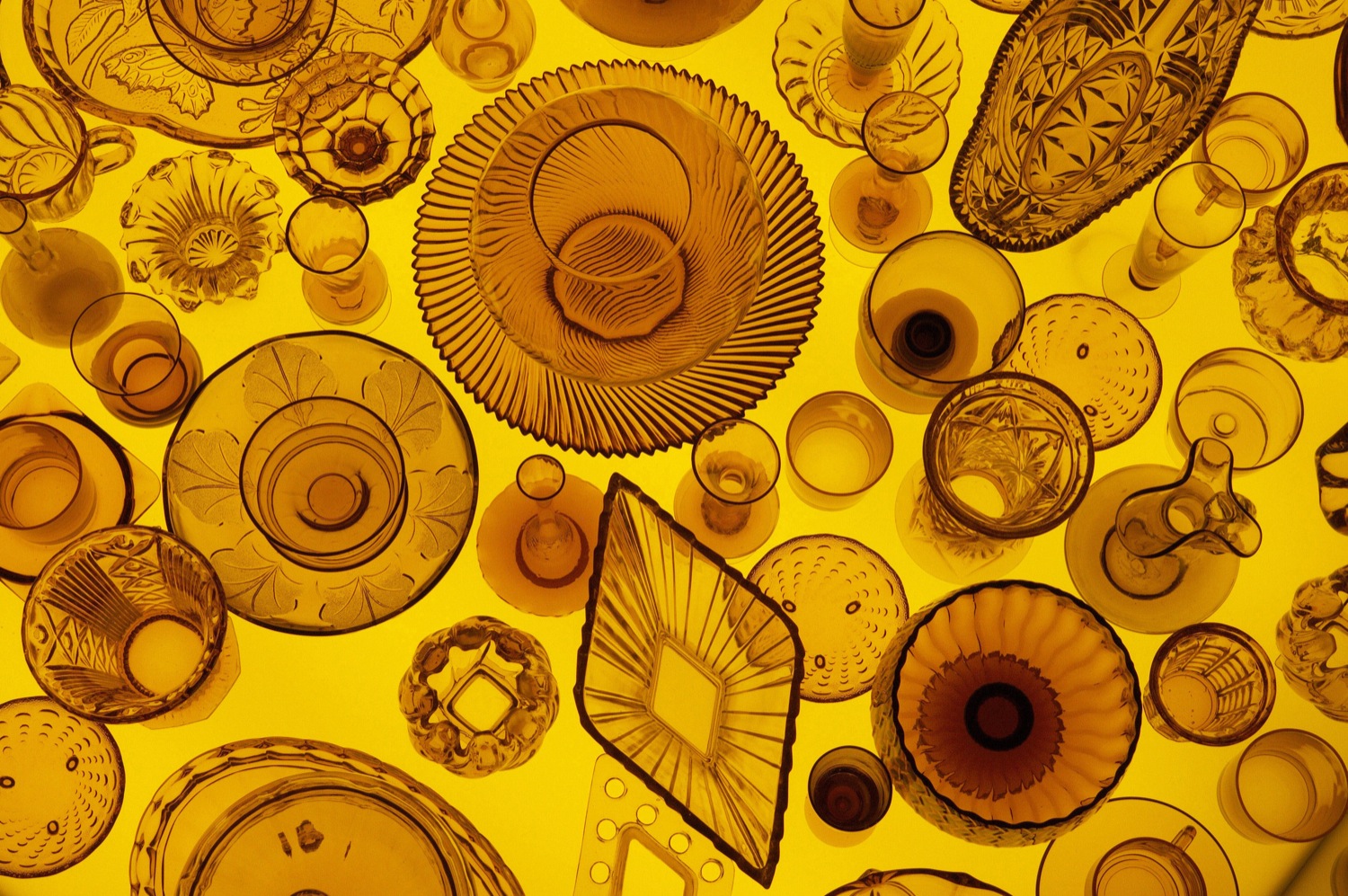
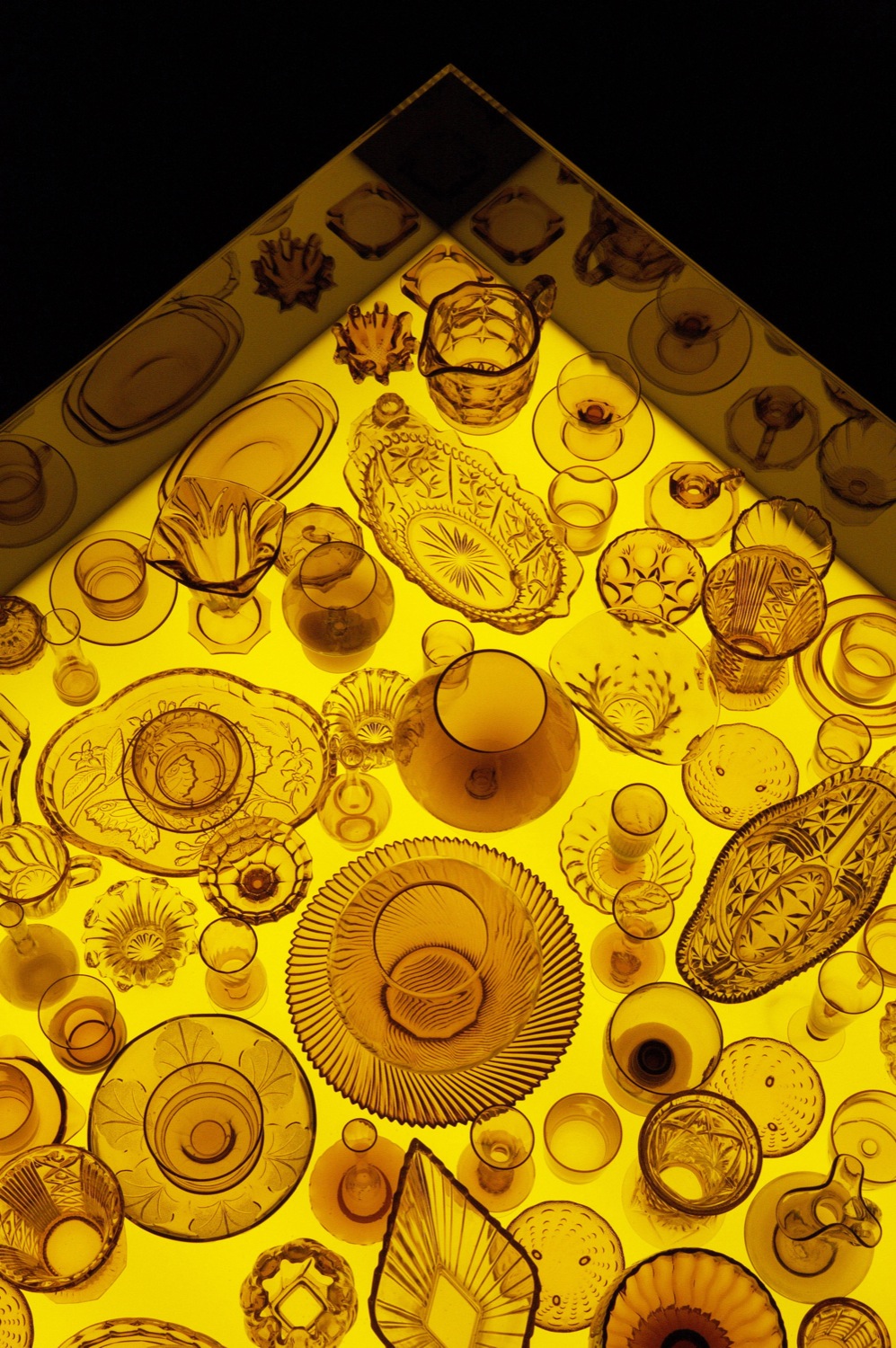
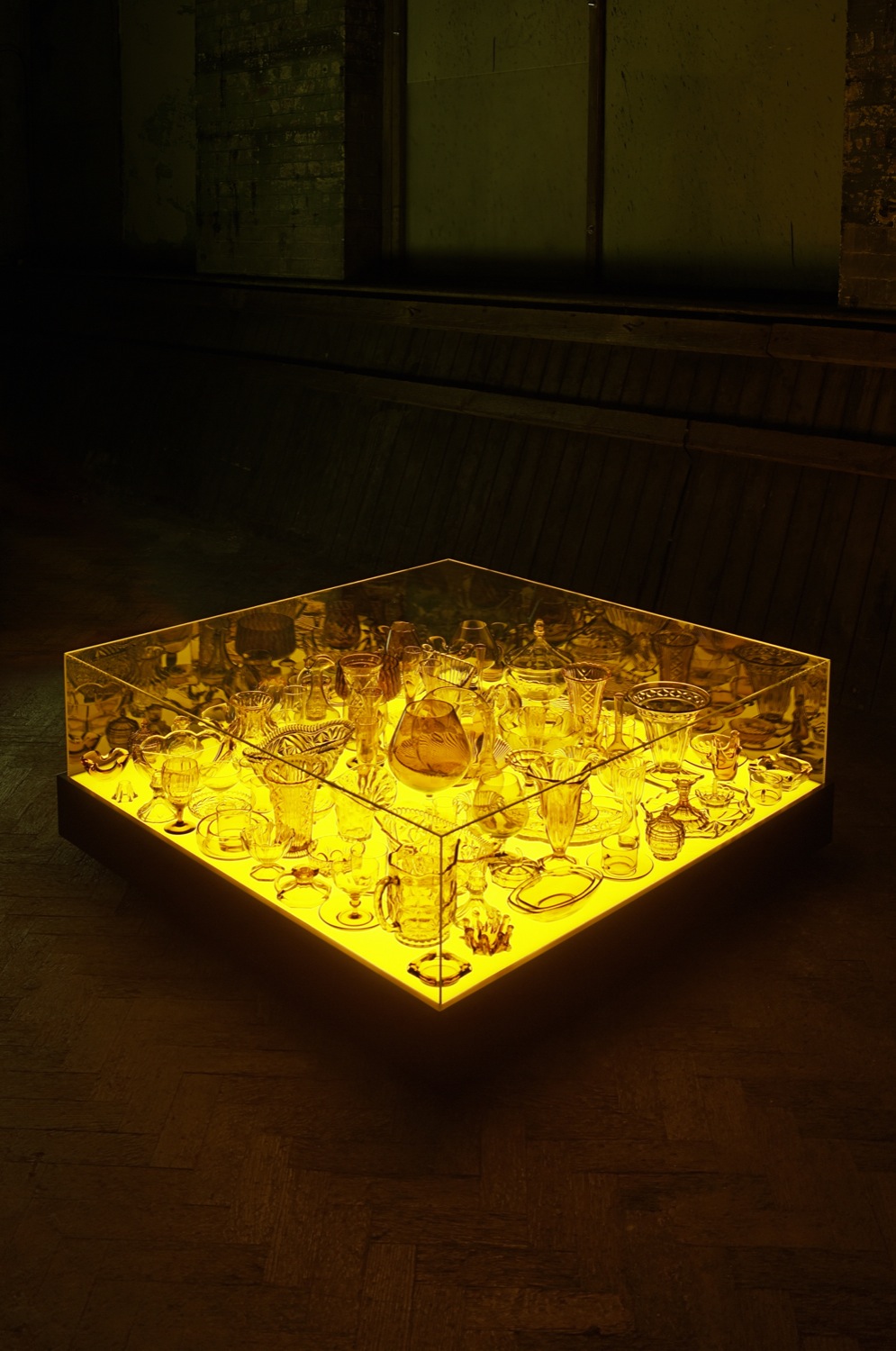
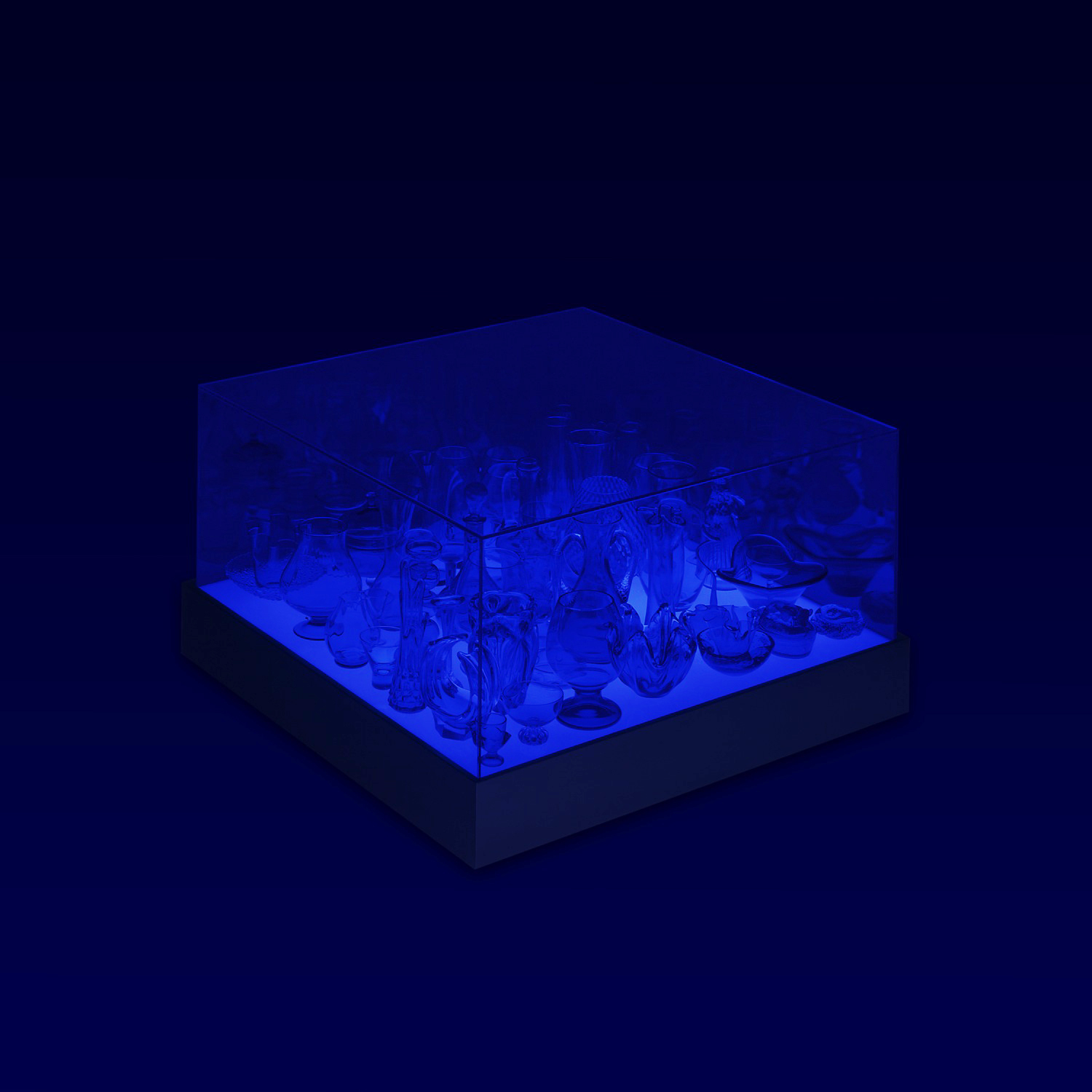
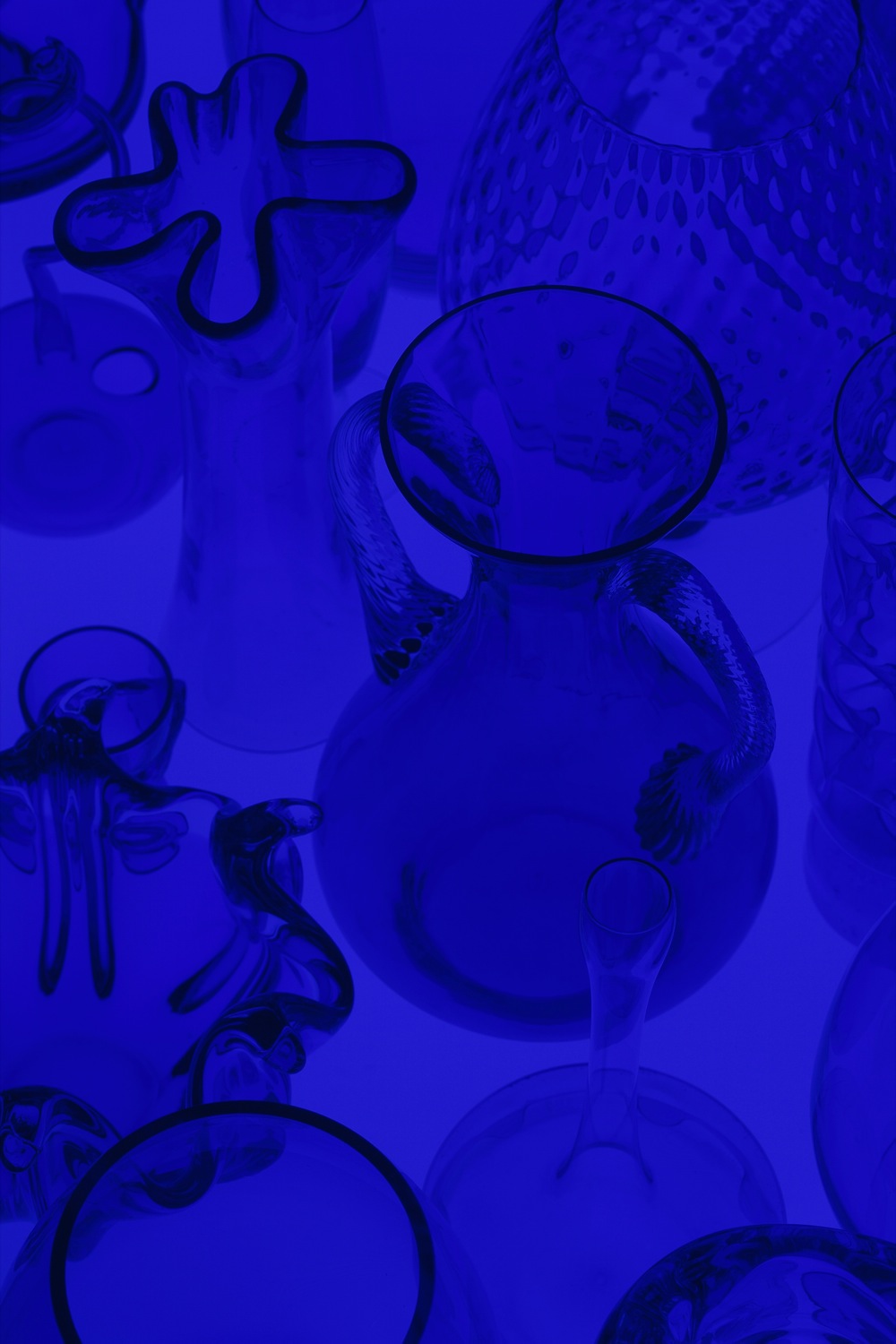
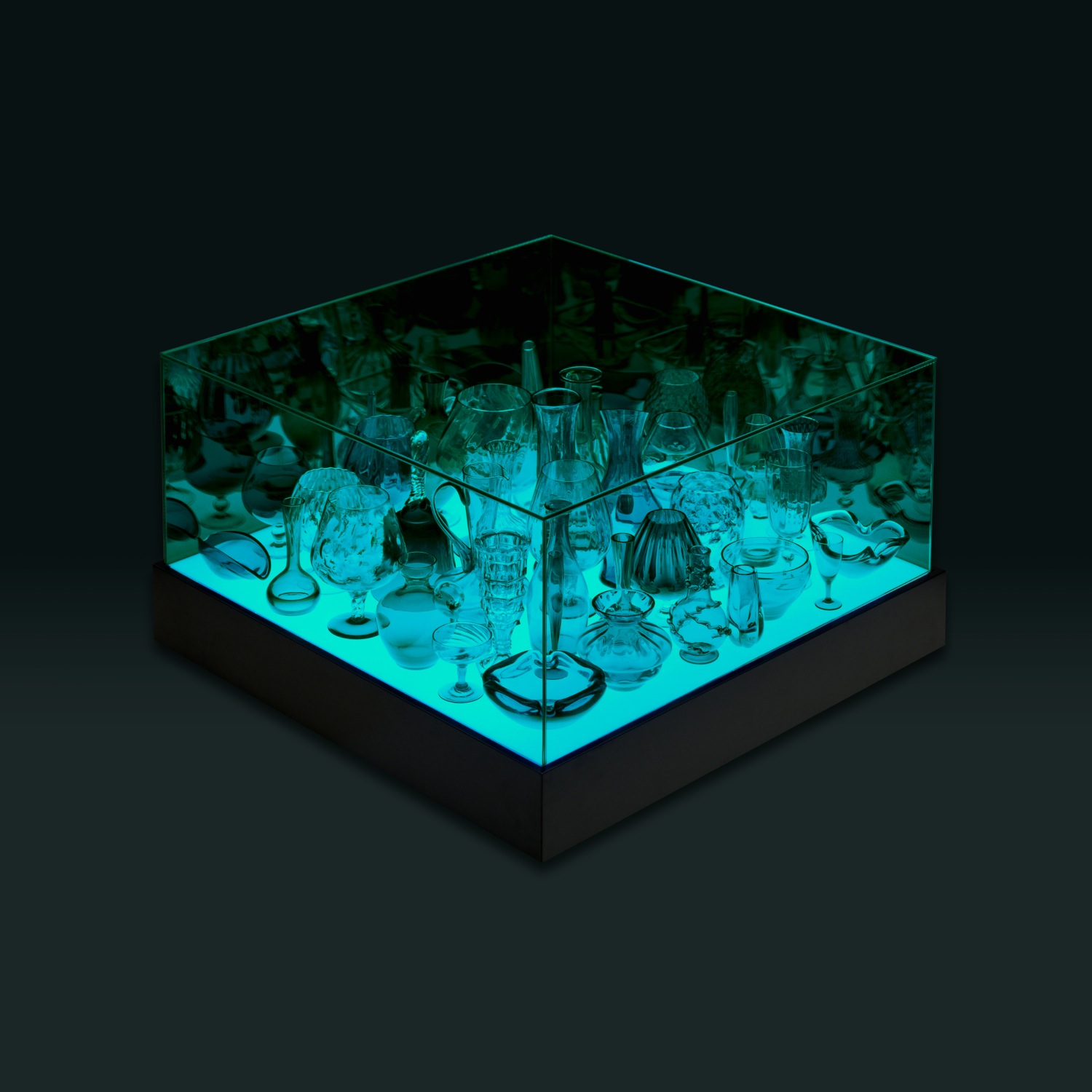
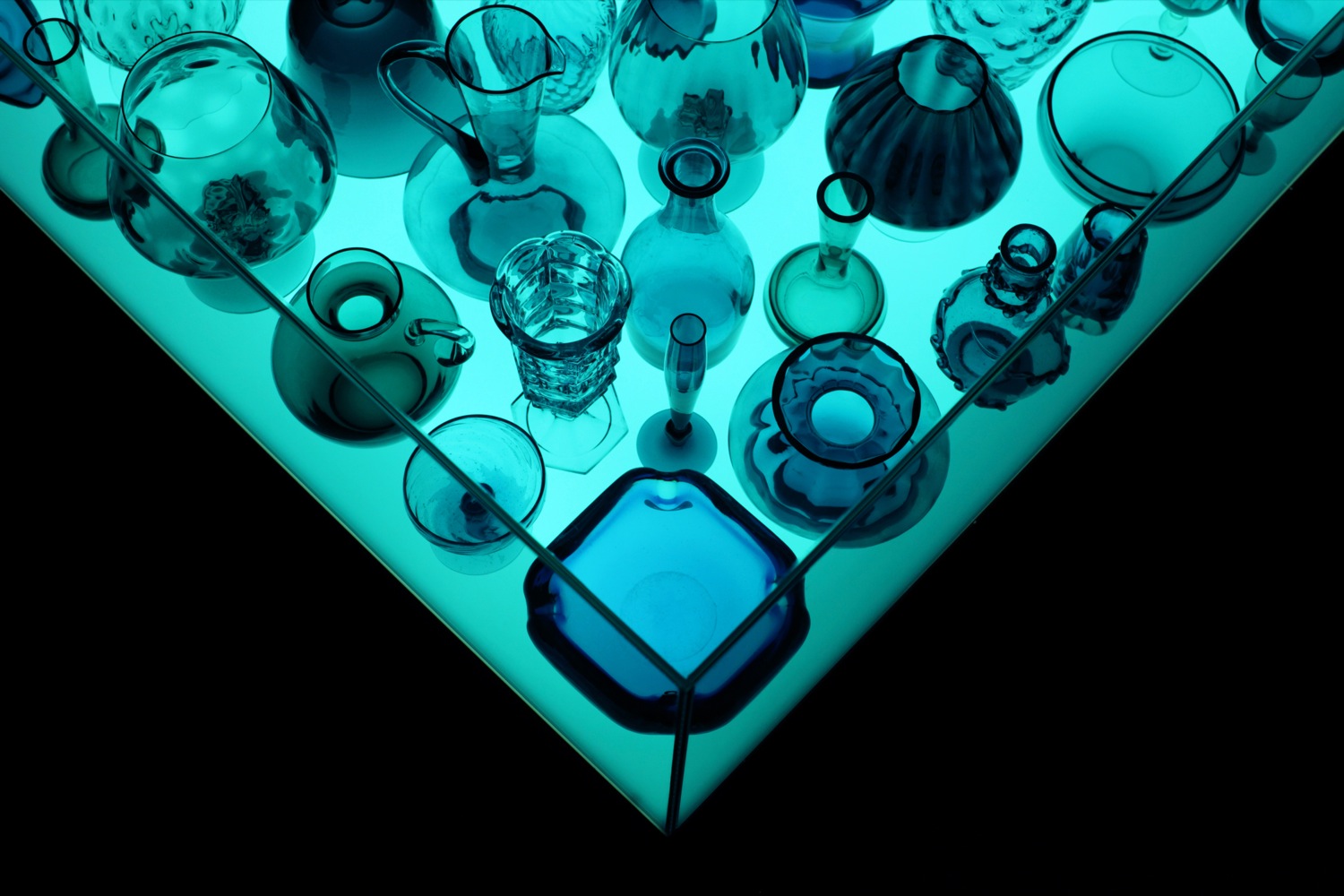
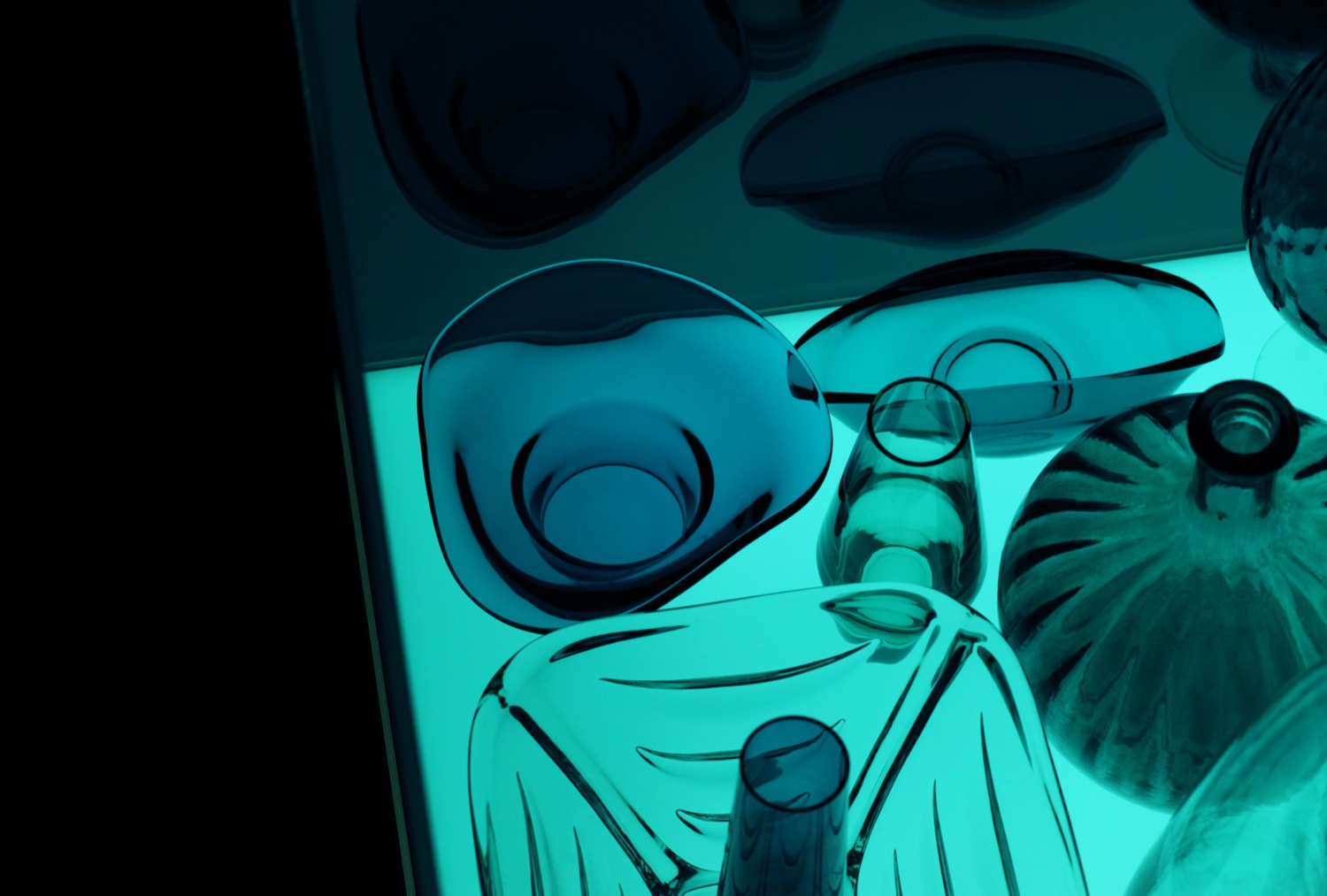
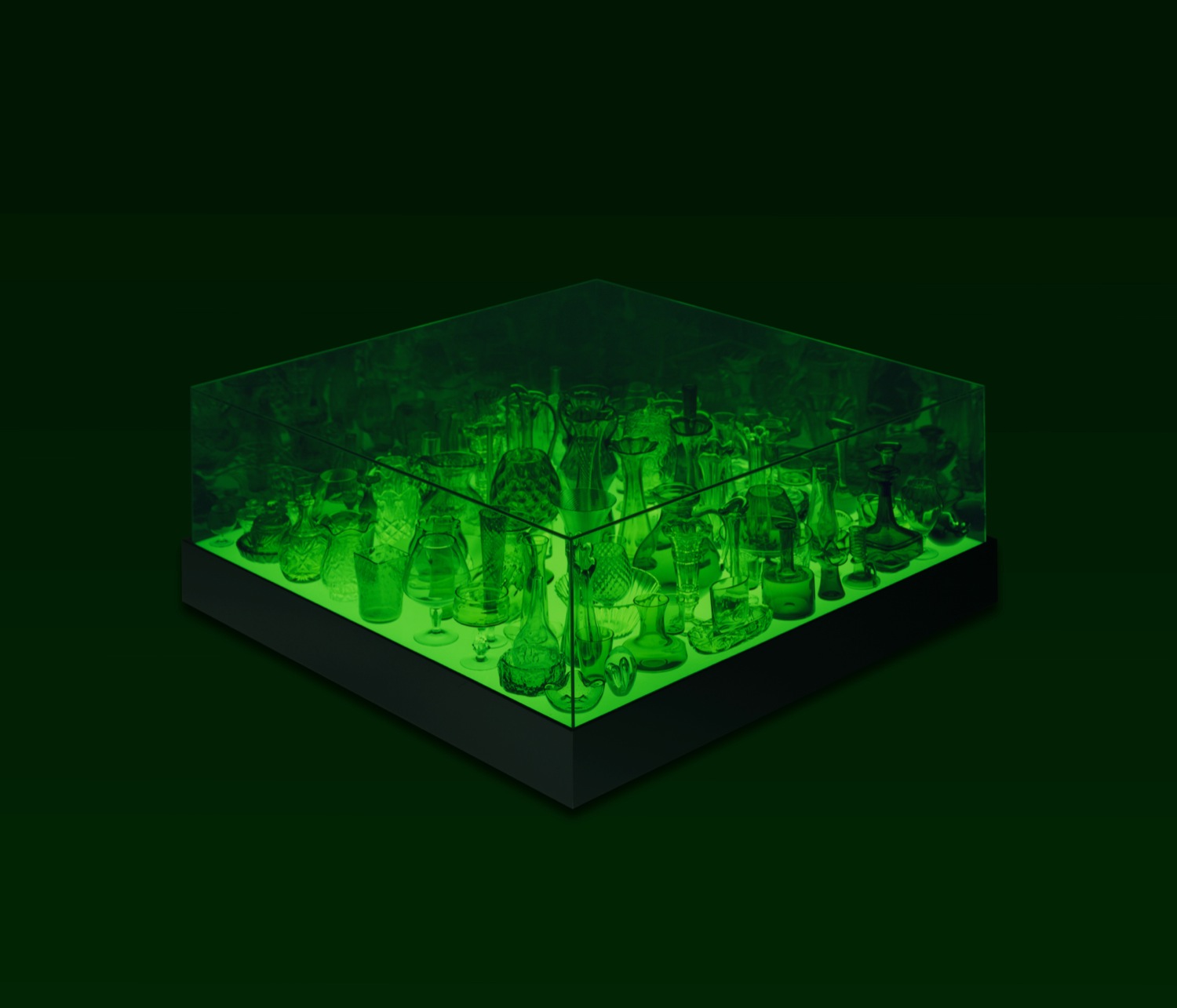
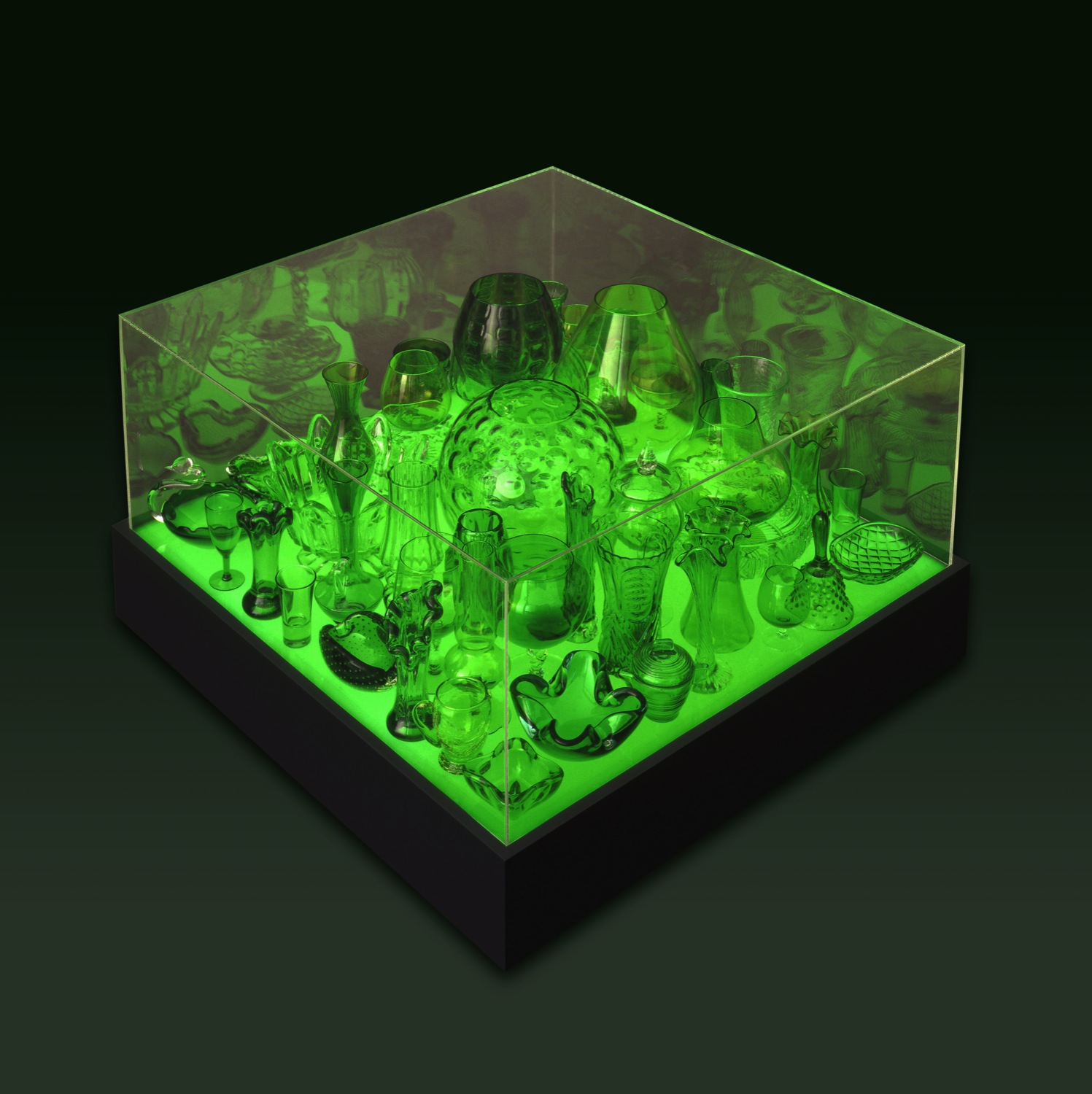
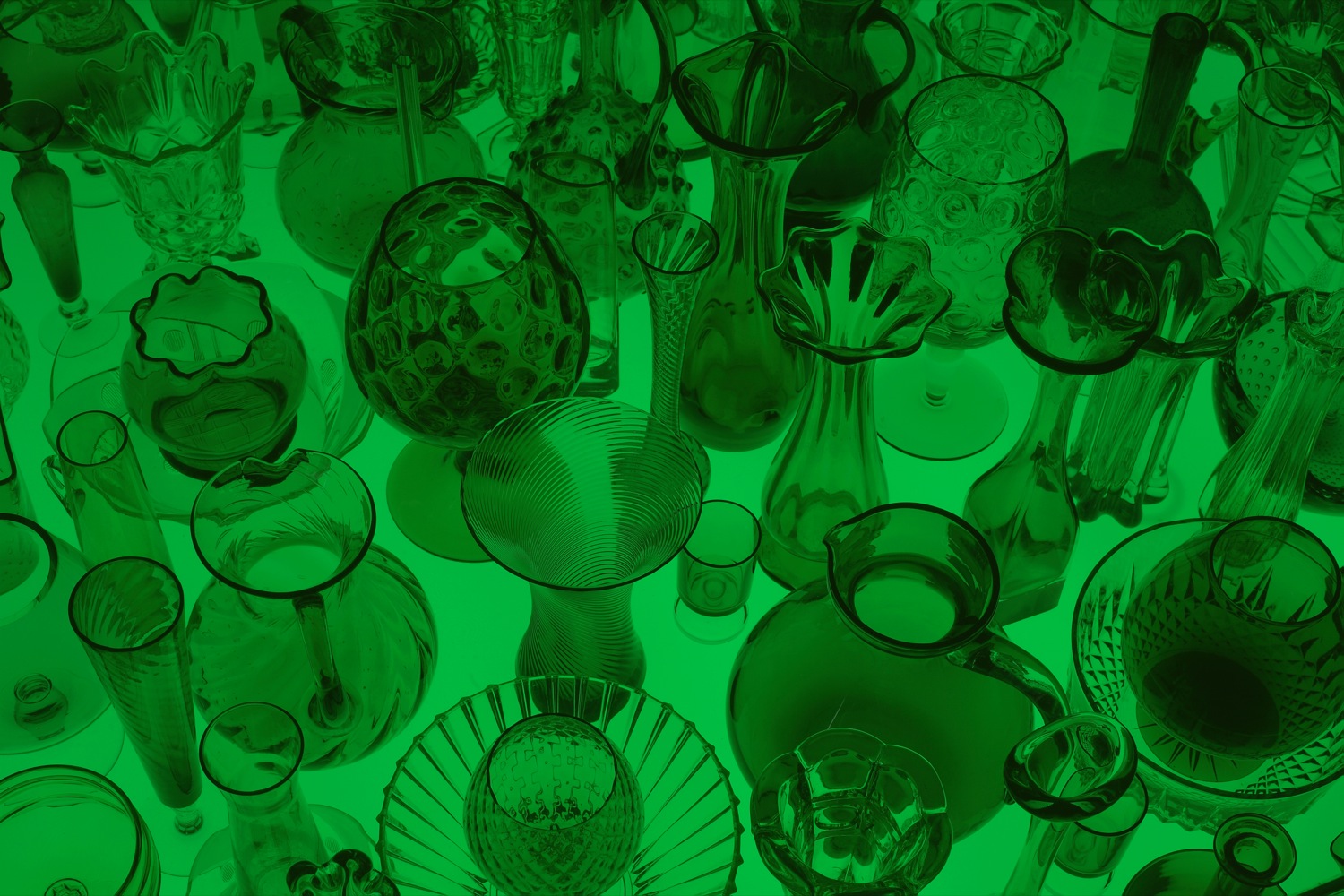
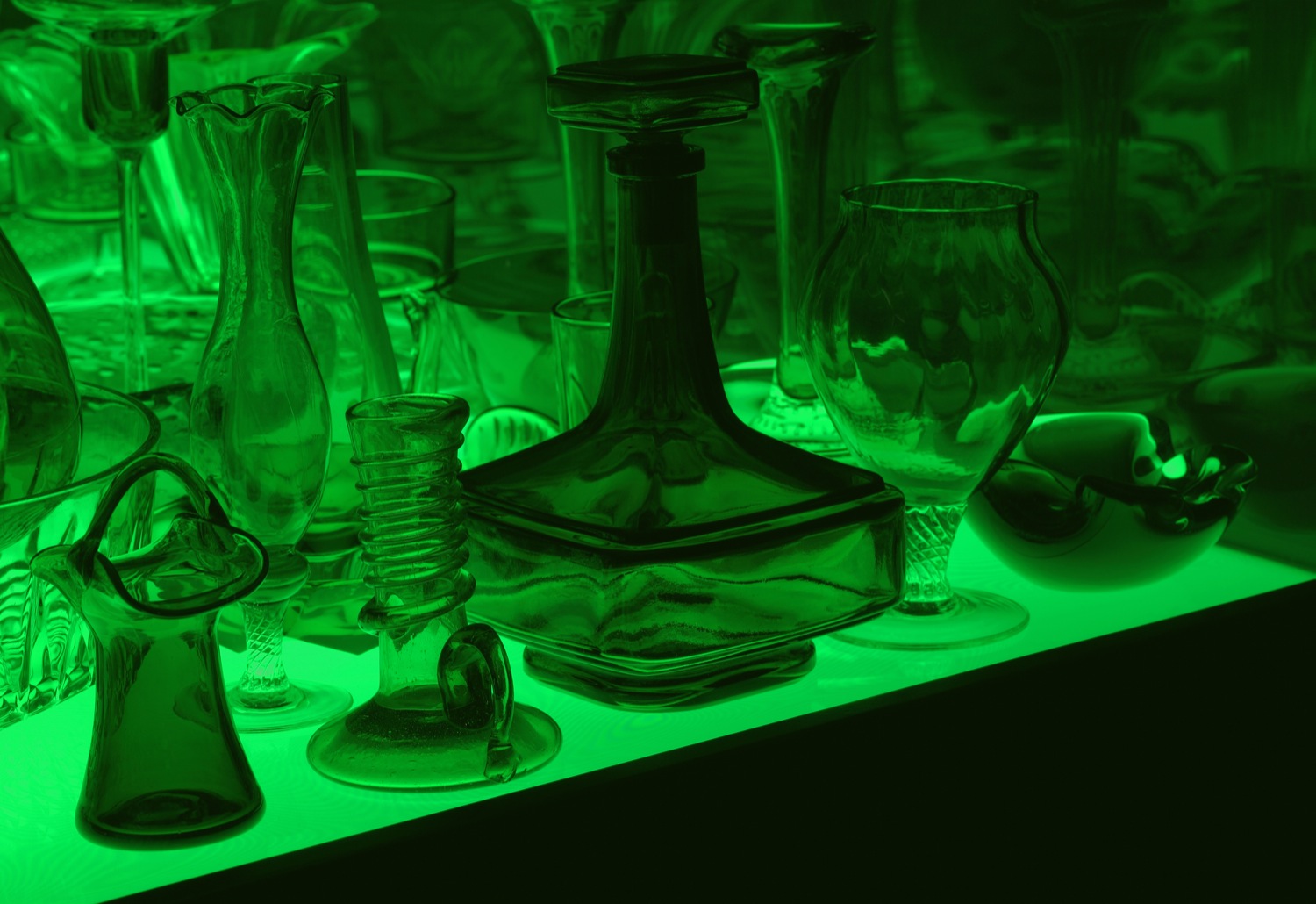
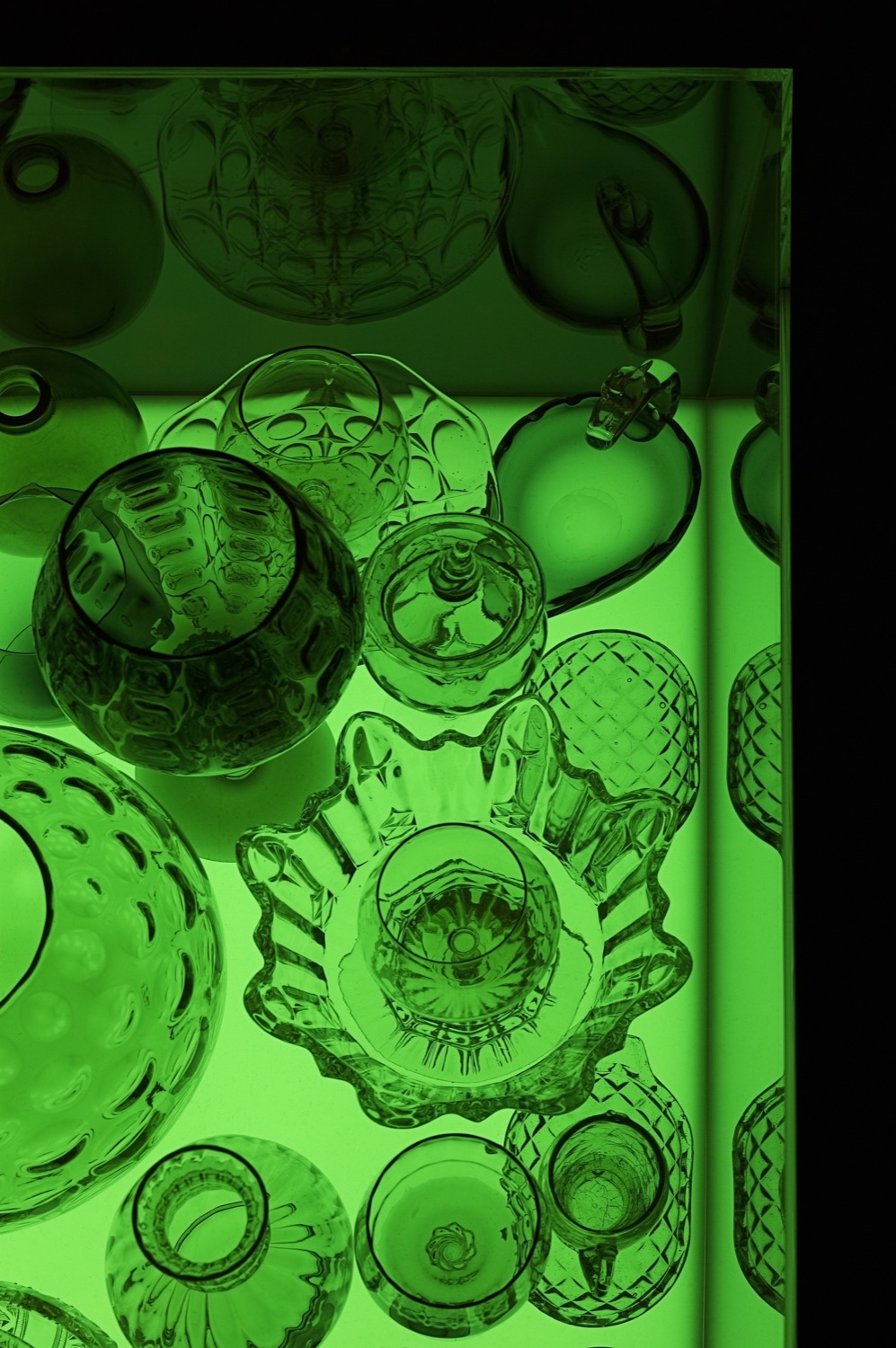
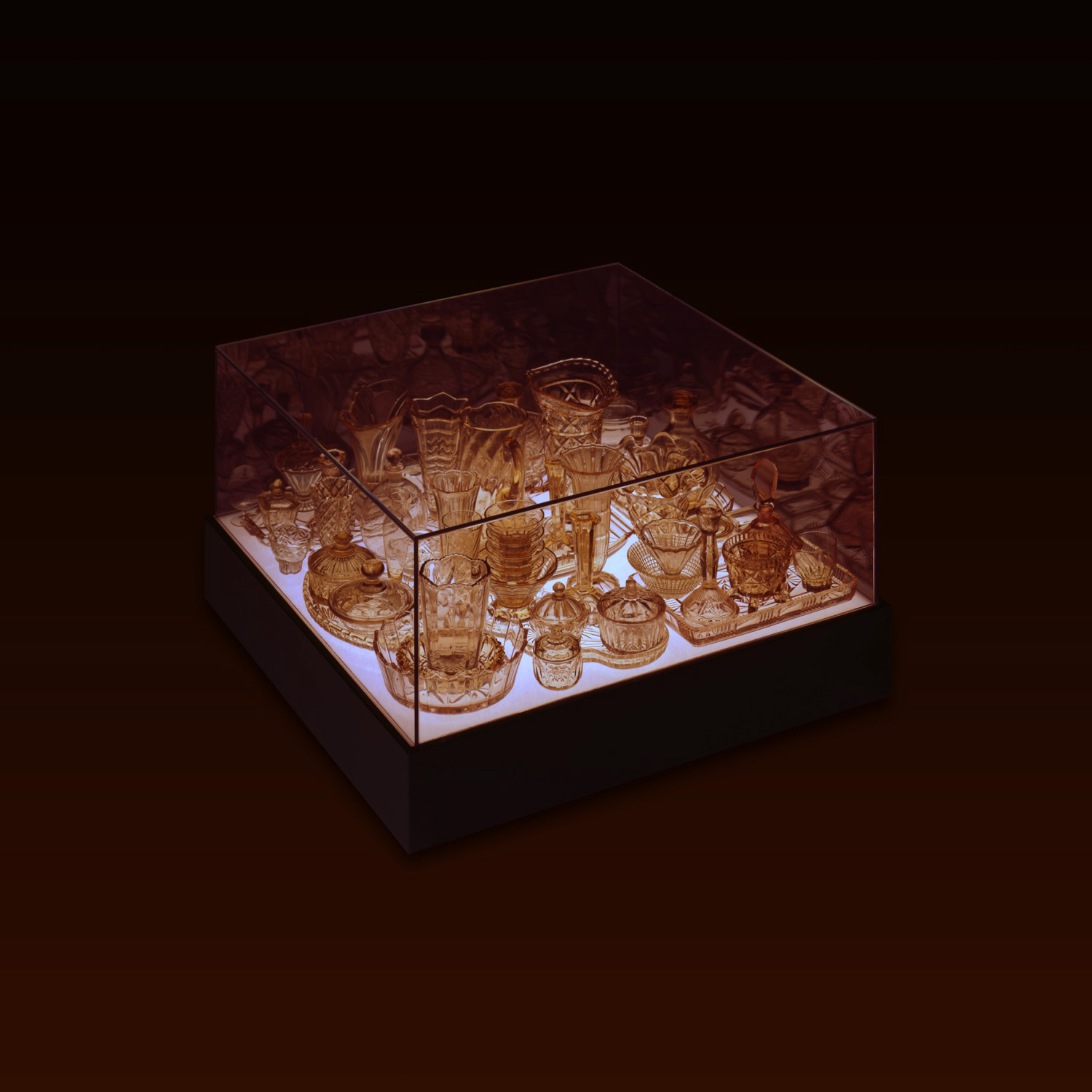
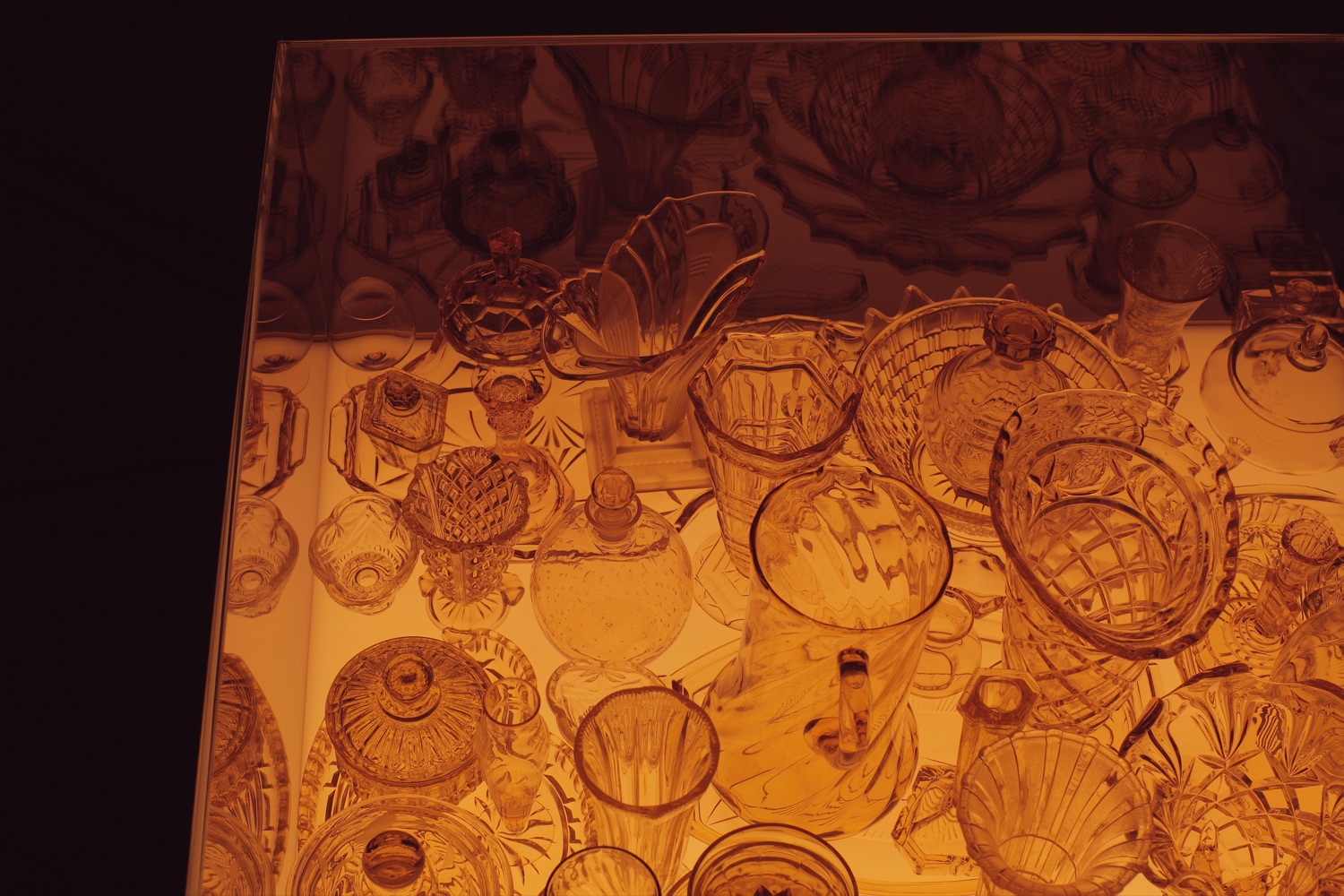
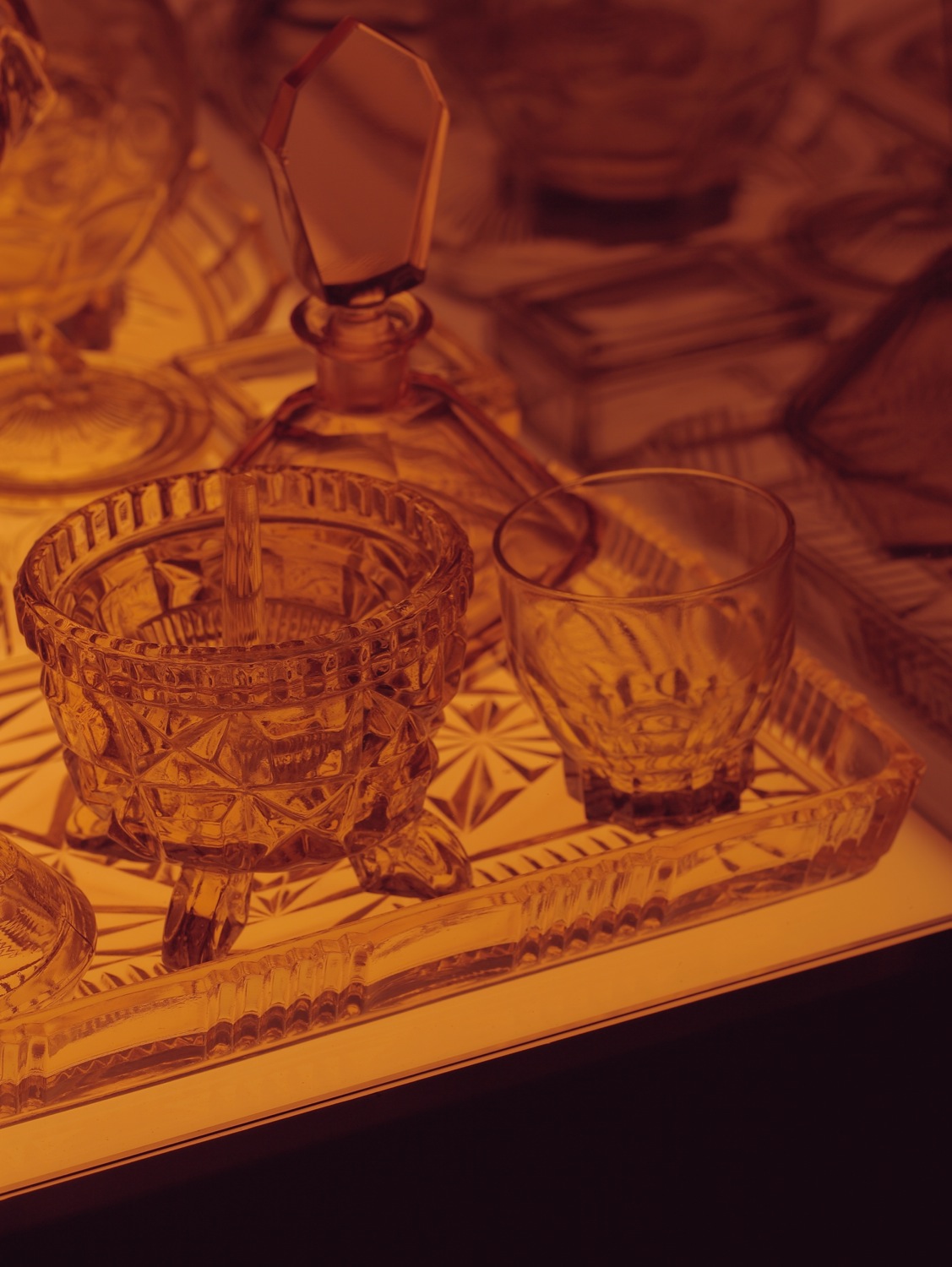
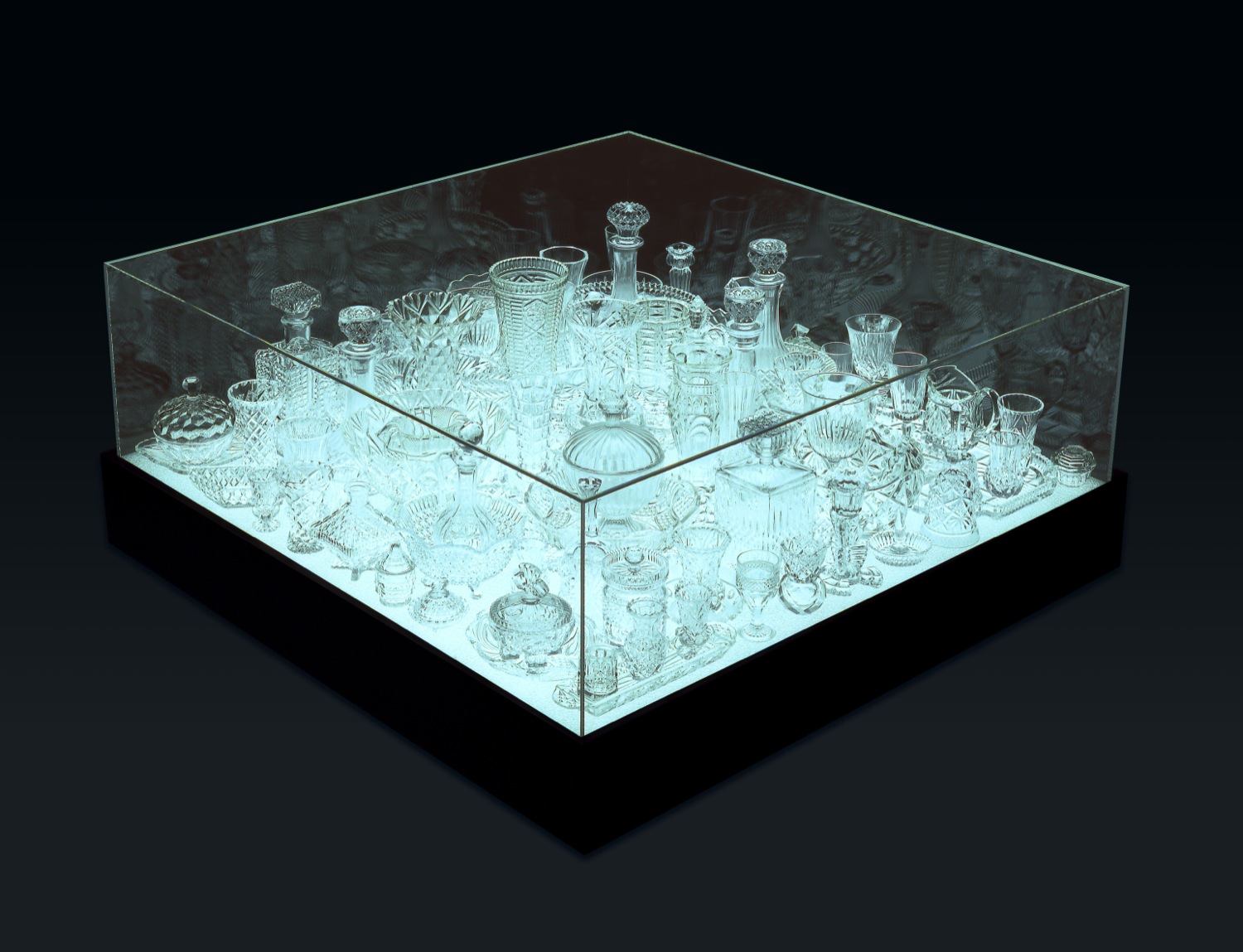
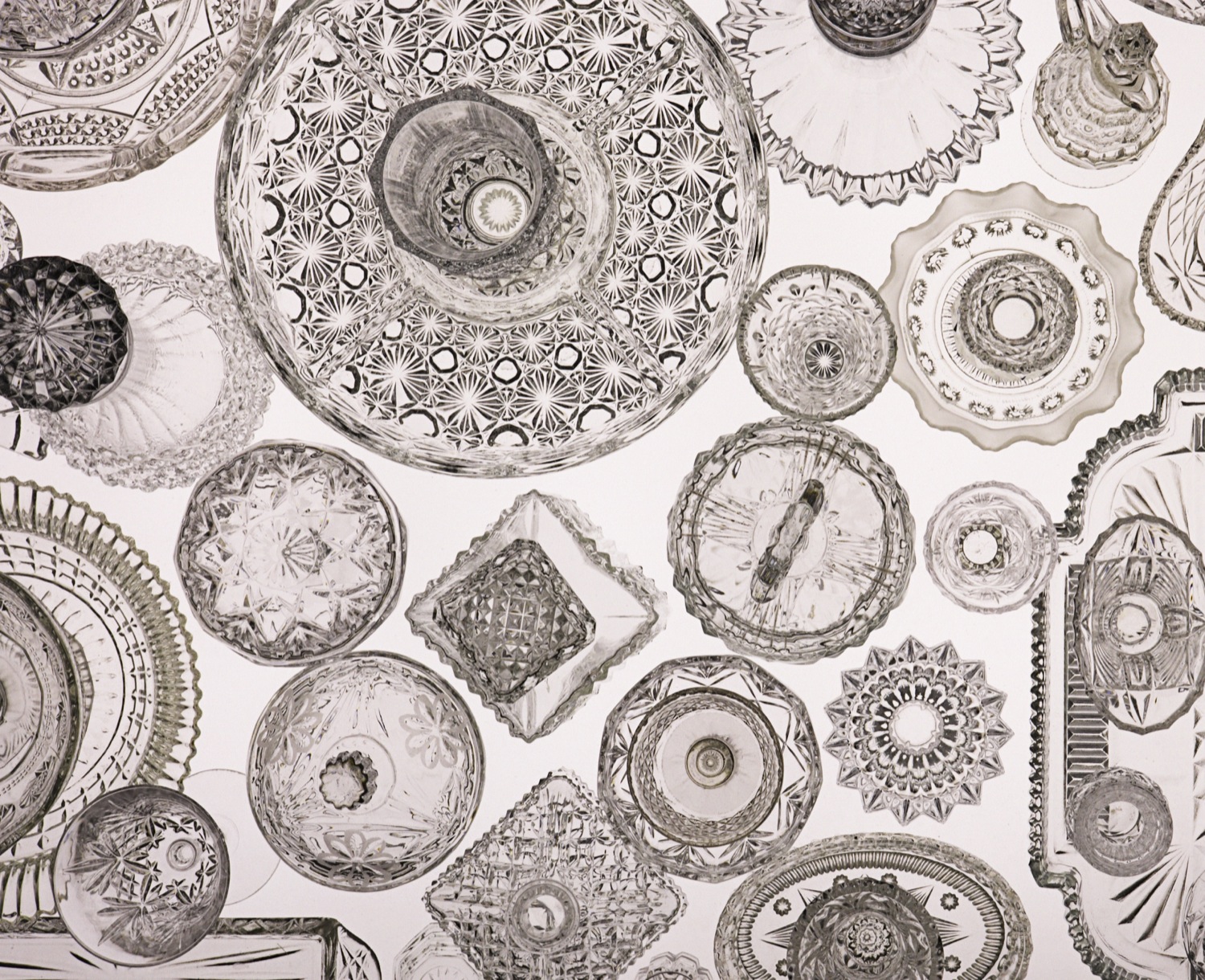
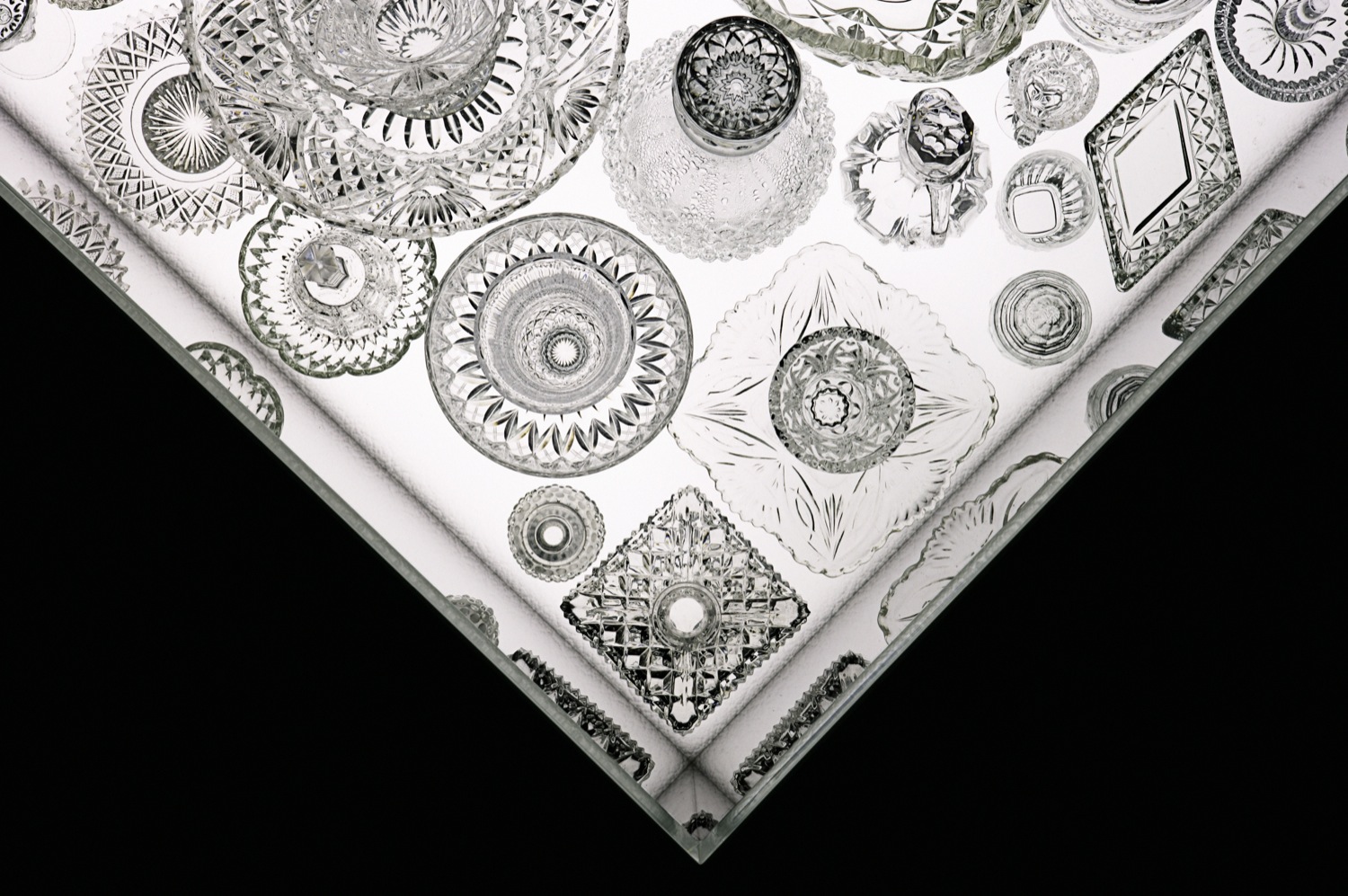
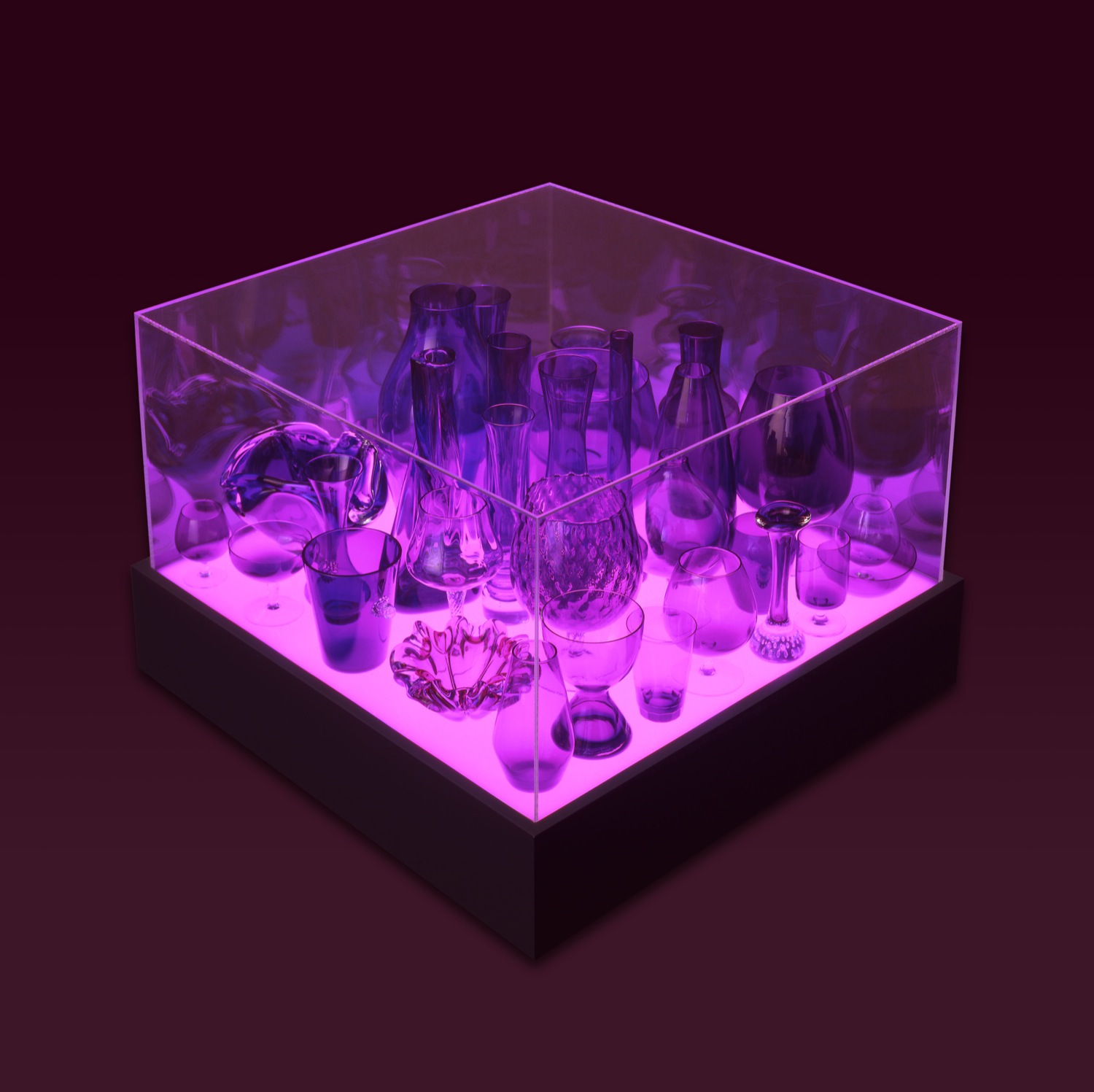
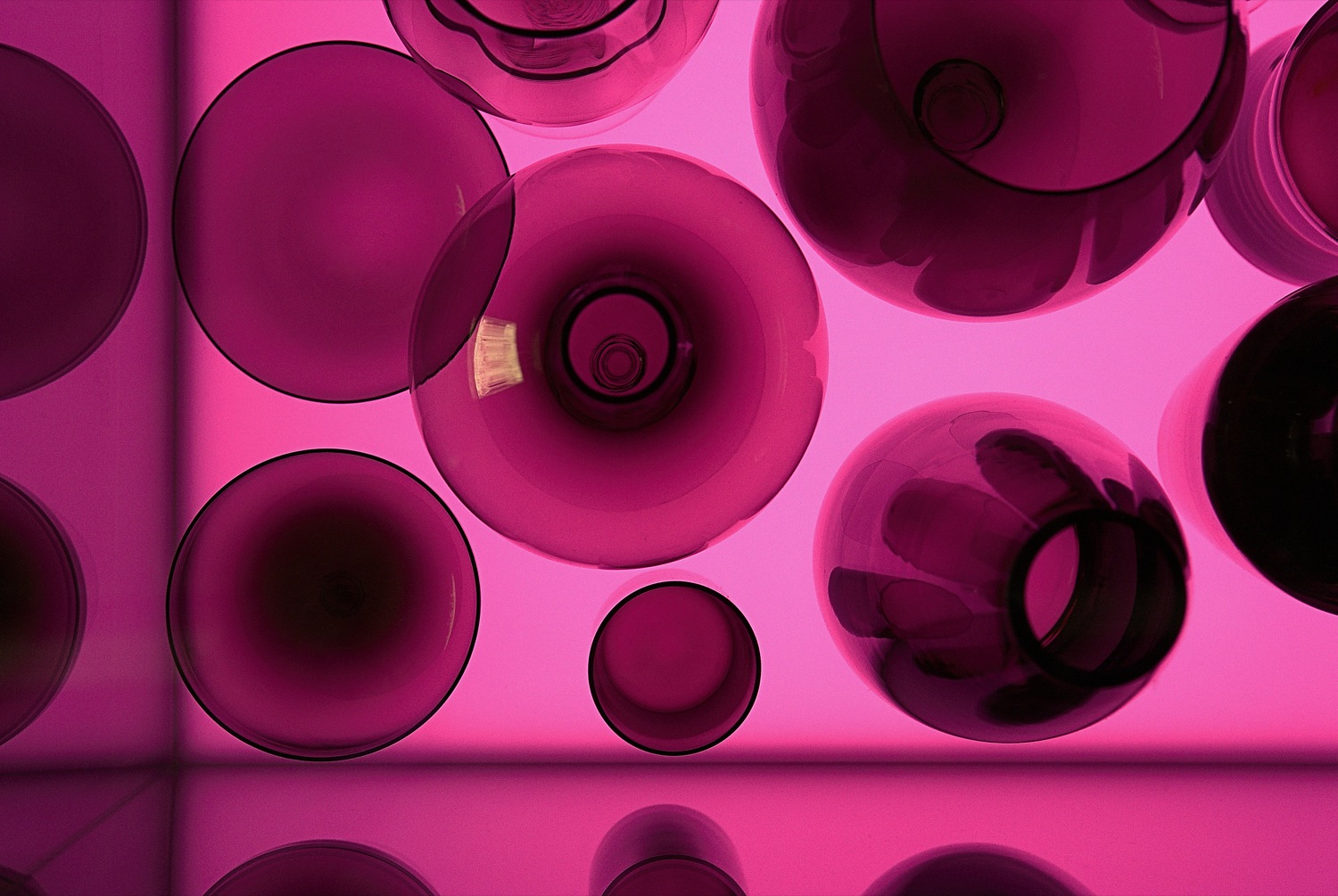
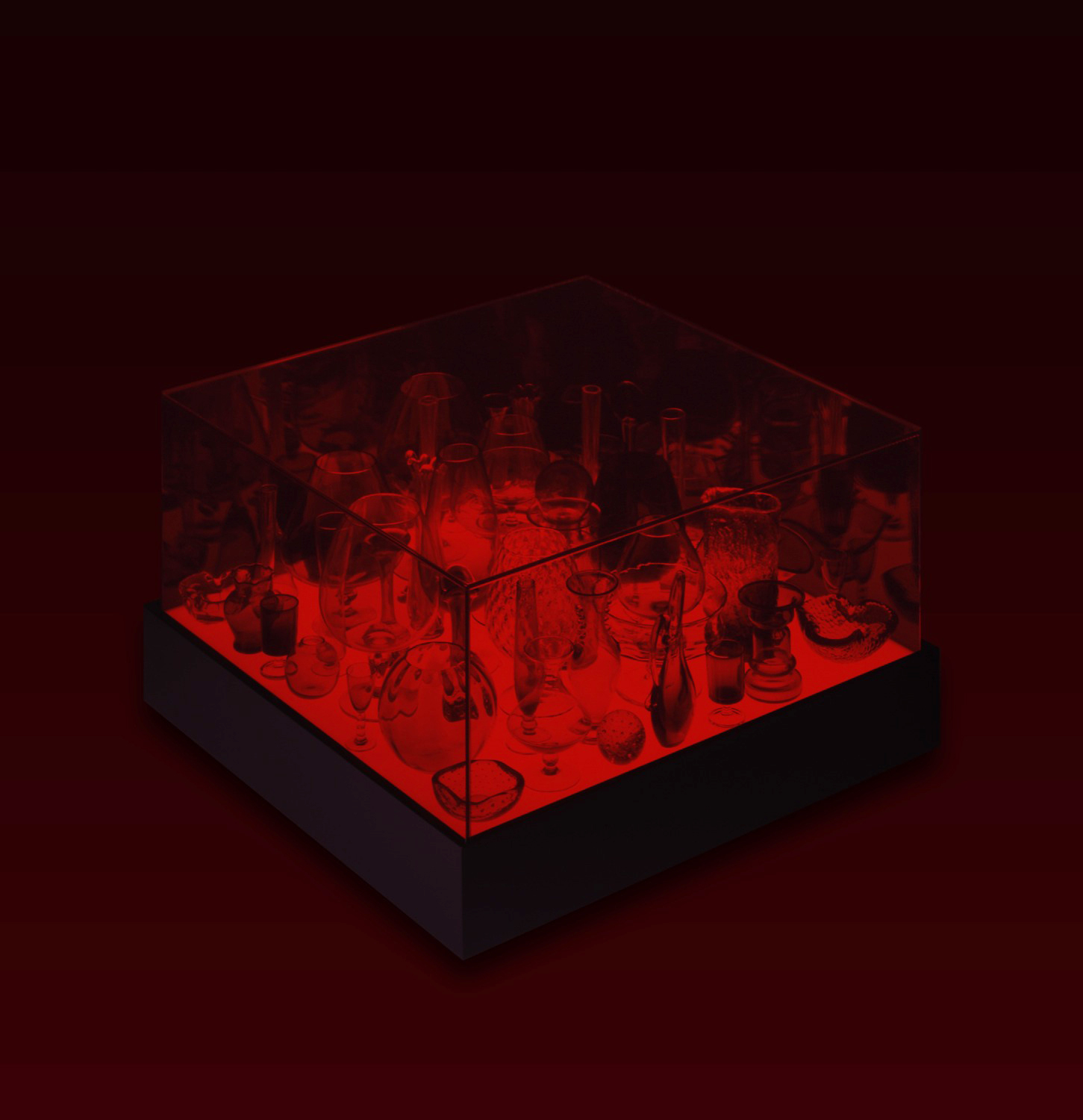
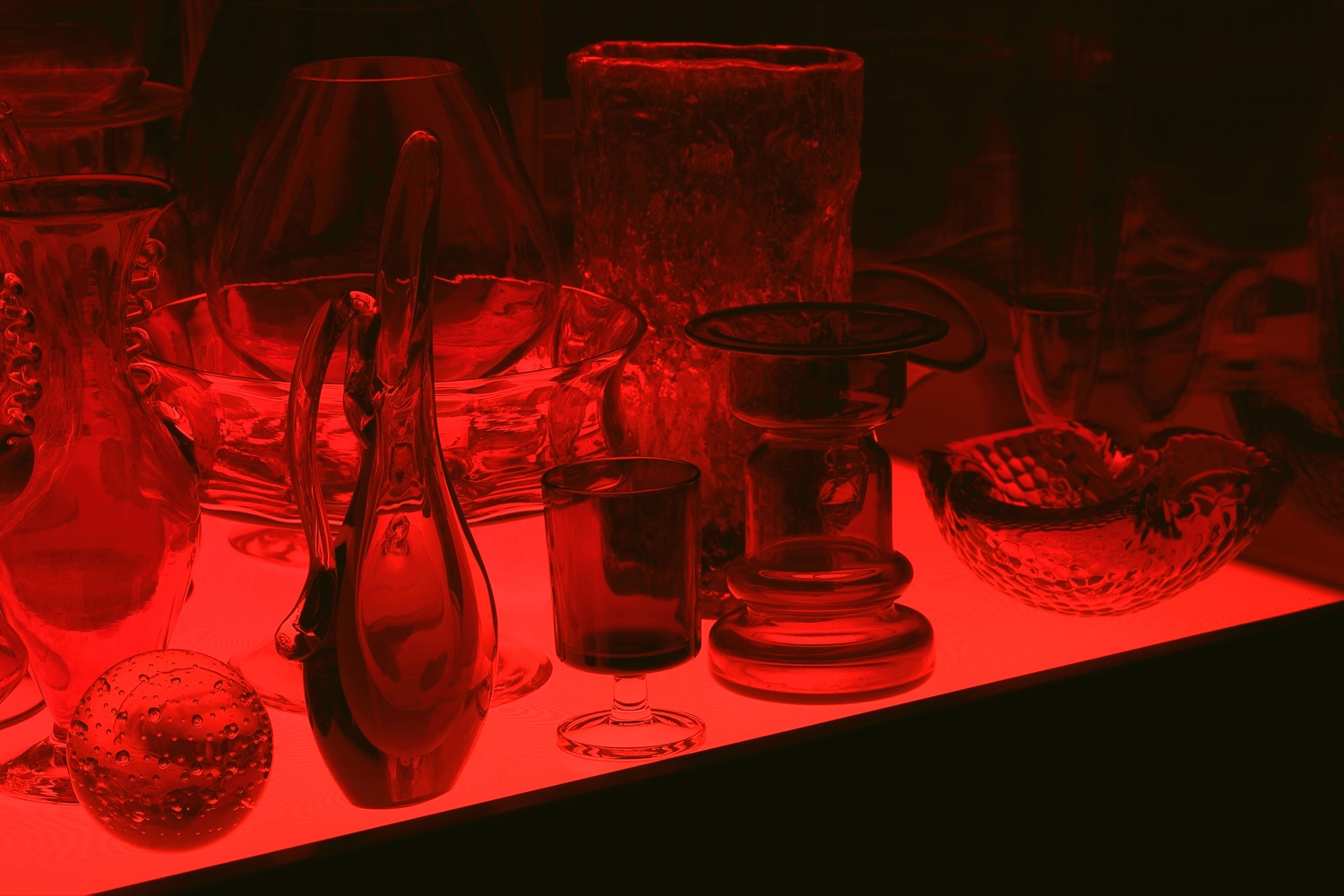
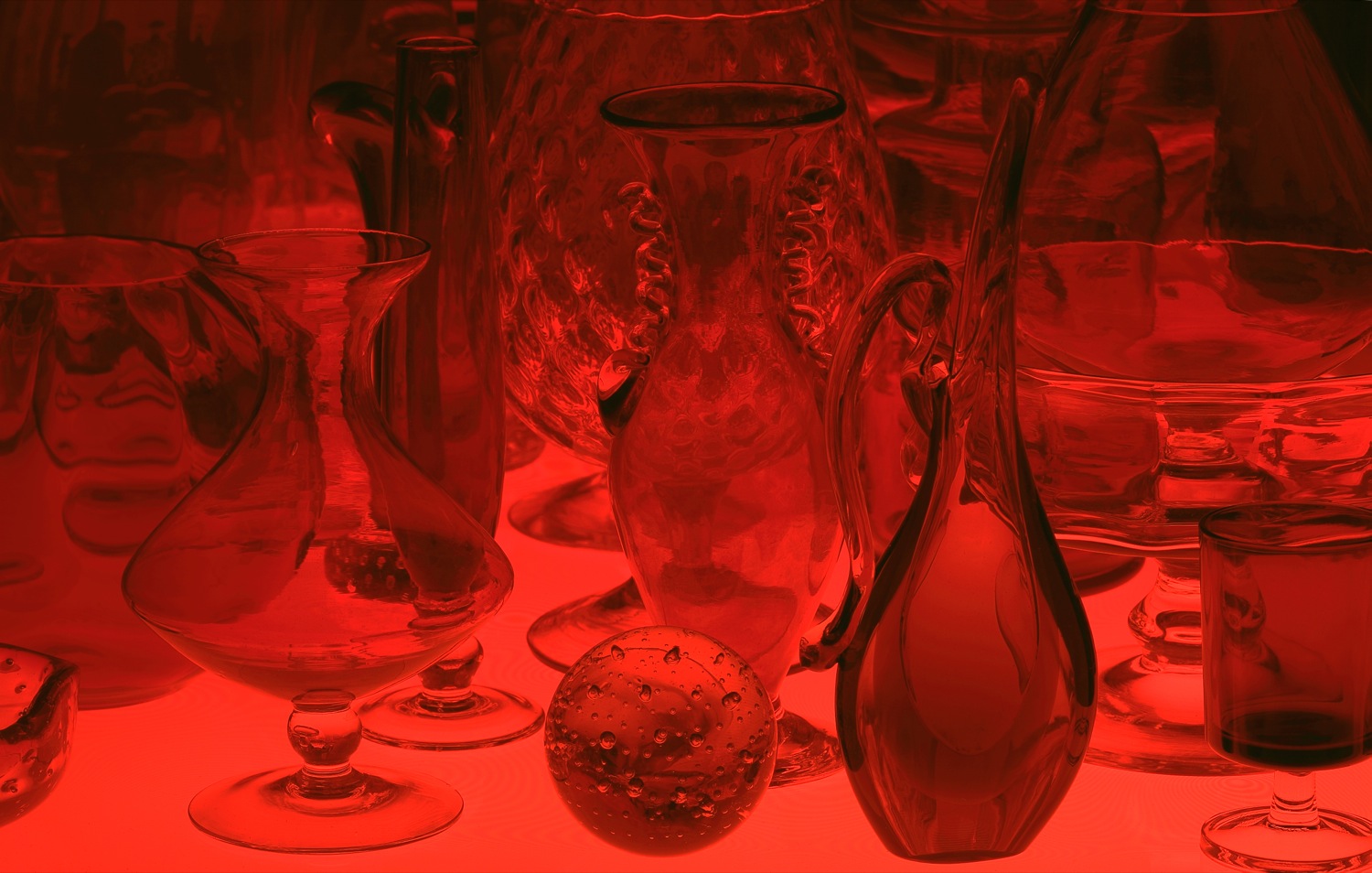
Aladdin is a sculptural and curatorial exploration of colour, material identity, and the shifting value of everyday objects. The series is built from extensive collections of glassware sourced from flea markets, car boot sales, junk shops, and other informal spaces of exchange. Each item is chosen with deliberate intention—an act akin to shepherding disparate objects into a coherent visual family. Although the pieces vary in scale, form, texture, and intended domestic function, they are unified through colour, becoming part of a chromatic taxonomy. The complete series comprises eight colour groups: amber, blue, clear, green, purple, red, rose, and turquoise.
By amassing large quantities of objects in a single hue, the work generates a collective presence that surpasses the significance of any individual piece. Familiar, inexpensive vessels gain a sense of authority and allure when contextualized within a disciplined visual arrangement. Aladdin ultimately asks how objects—especially those considered ordinary or obsolete—are transformed through acts of selection, classification, and display.
Each colour collection is presented within a light-box vitrine, a structure that deliberately echoes the language of the museum display case. Traditionally, vitrines protect and elevate artefacts of cultural or historical value. In this work, however, they function as luminous stages. When illuminated, the glassware glows with an unexpected, jewel-like brilliance. Light refracts through the clustered forms, creating a theatrical effect that endows these once-humble household objects with the aura of rare treasures.
Yet embedded within this seductive presentation is a subtle critique. The transformation is one of perception, not essence. Though the glassware sparkles with the visual luxury of gemstones, the work gently underscores the familiar adage: “all that glitters is not gold.” Aladdin invites viewers to reconsider how value is constructed—by context, by light, and by the stories we choose to tell about the objects in front of us.