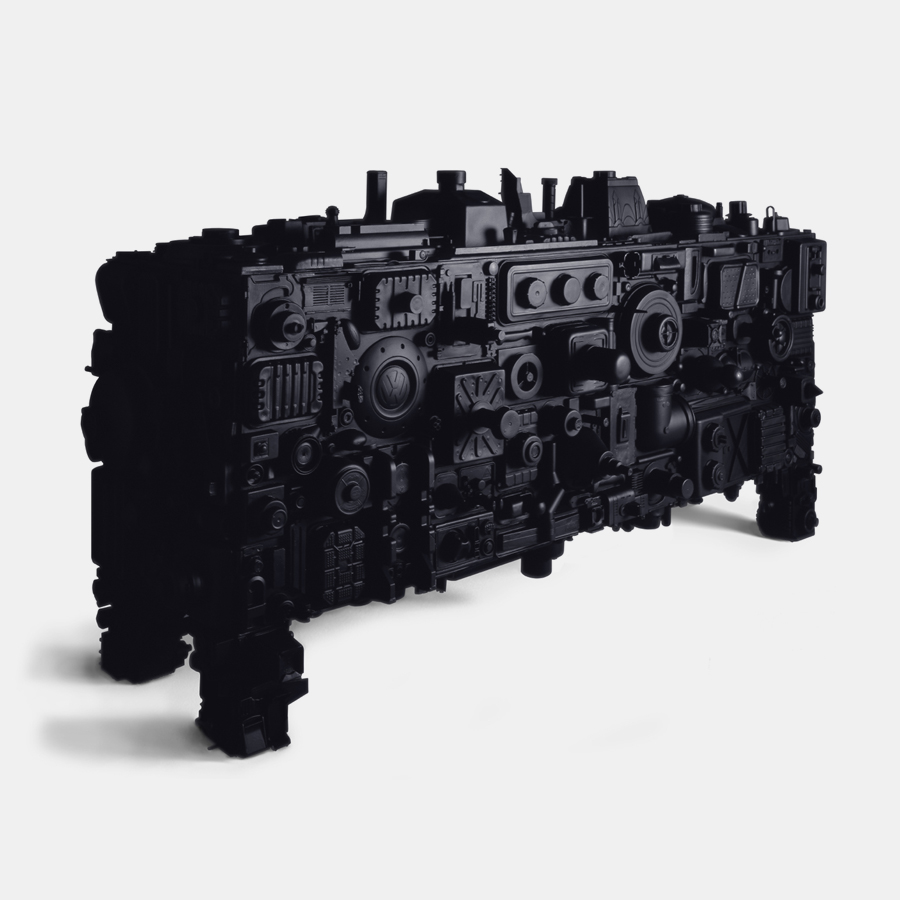
Barnacle (2009)
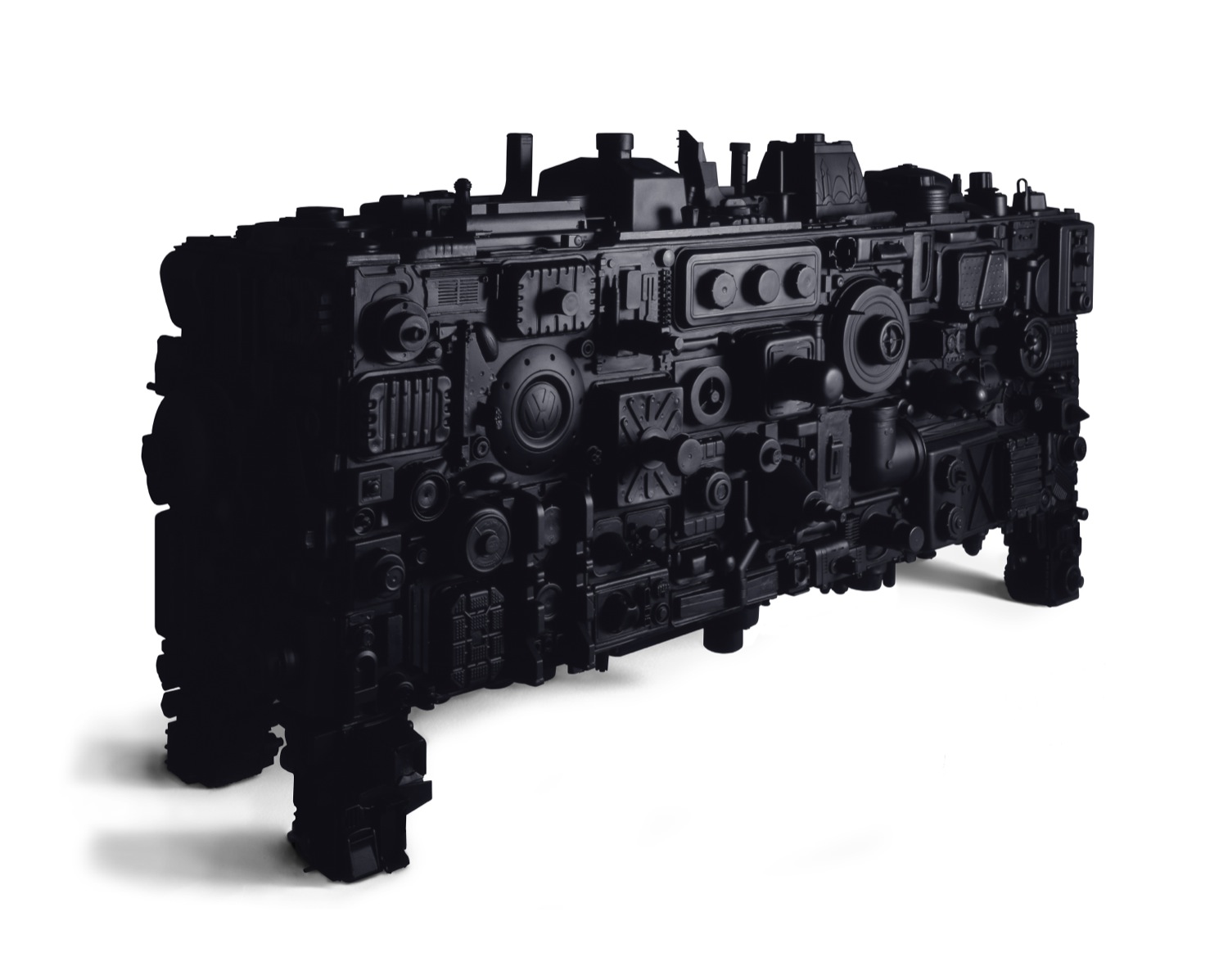
After encountering a photographic book documenting deep-sea shipwrecks, I became fascinated by the way marine life—particularly barnacles, algae, and other oceanic organisms—gradually envelops and transforms their submerged structures. Over decades, the skeletal remains of ships lying on the seabed undergo a slow metamorphosis, their forms softened, distorted, and redefined by the thousands of shellfish that anchor themselves to the decaying surfaces.
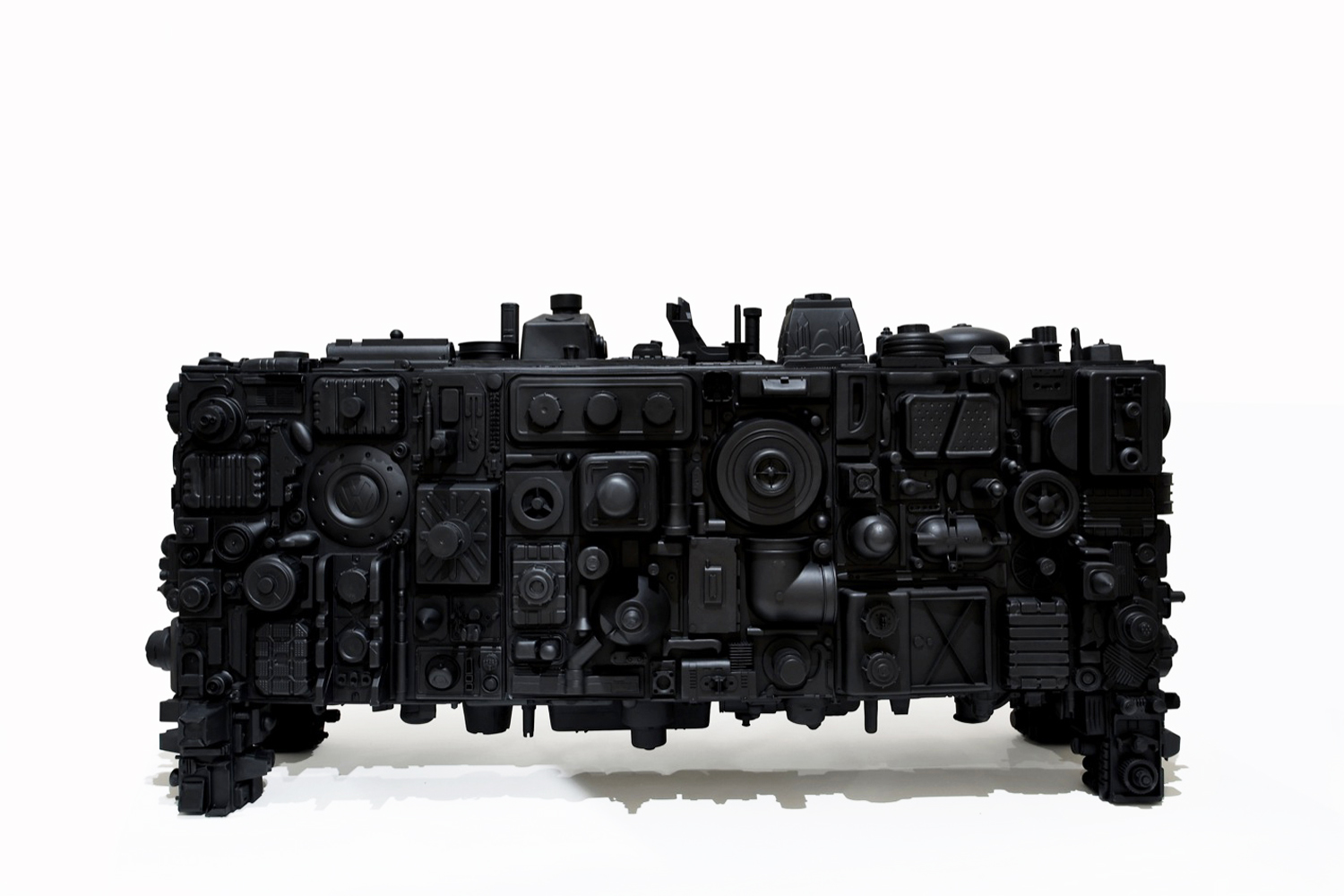
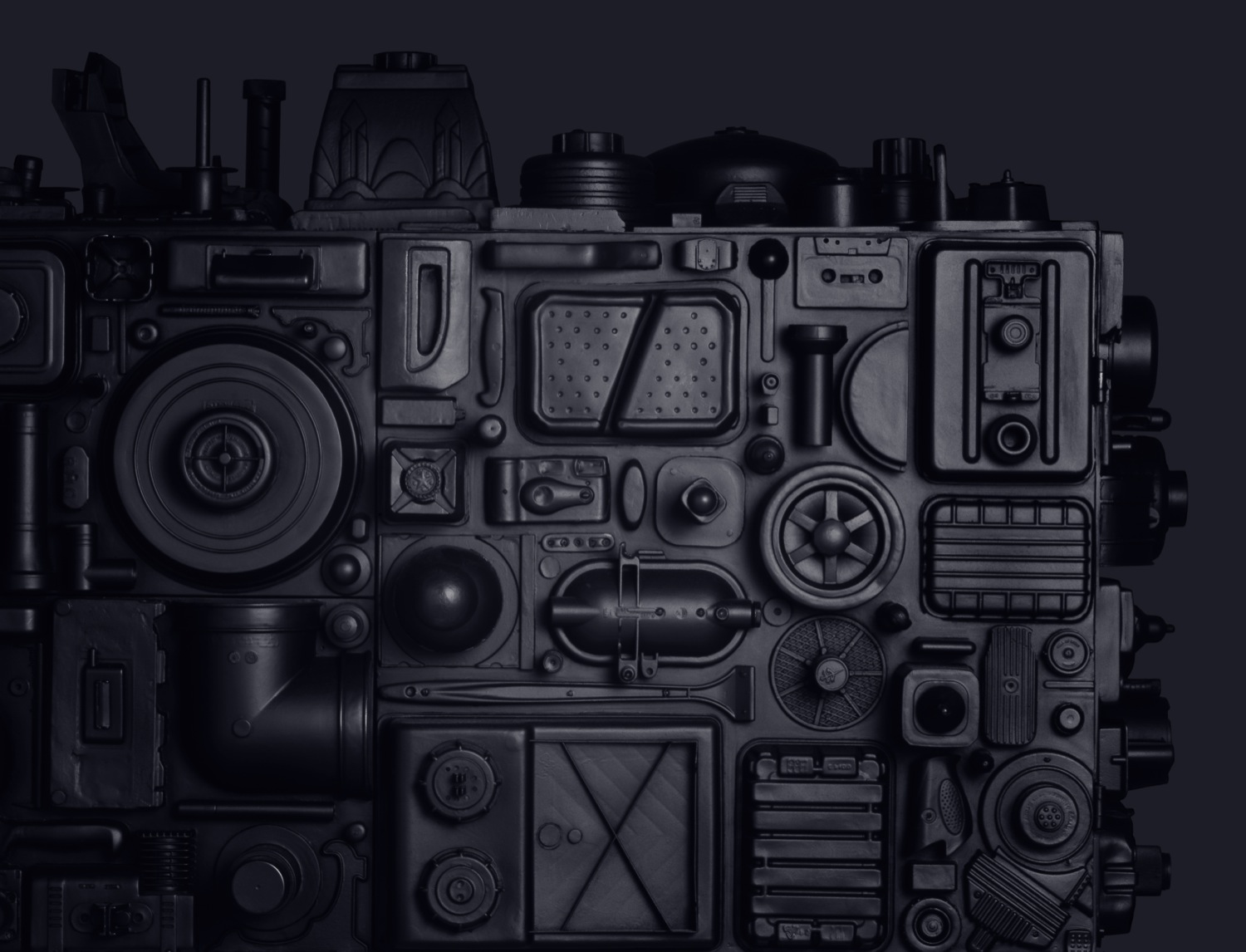
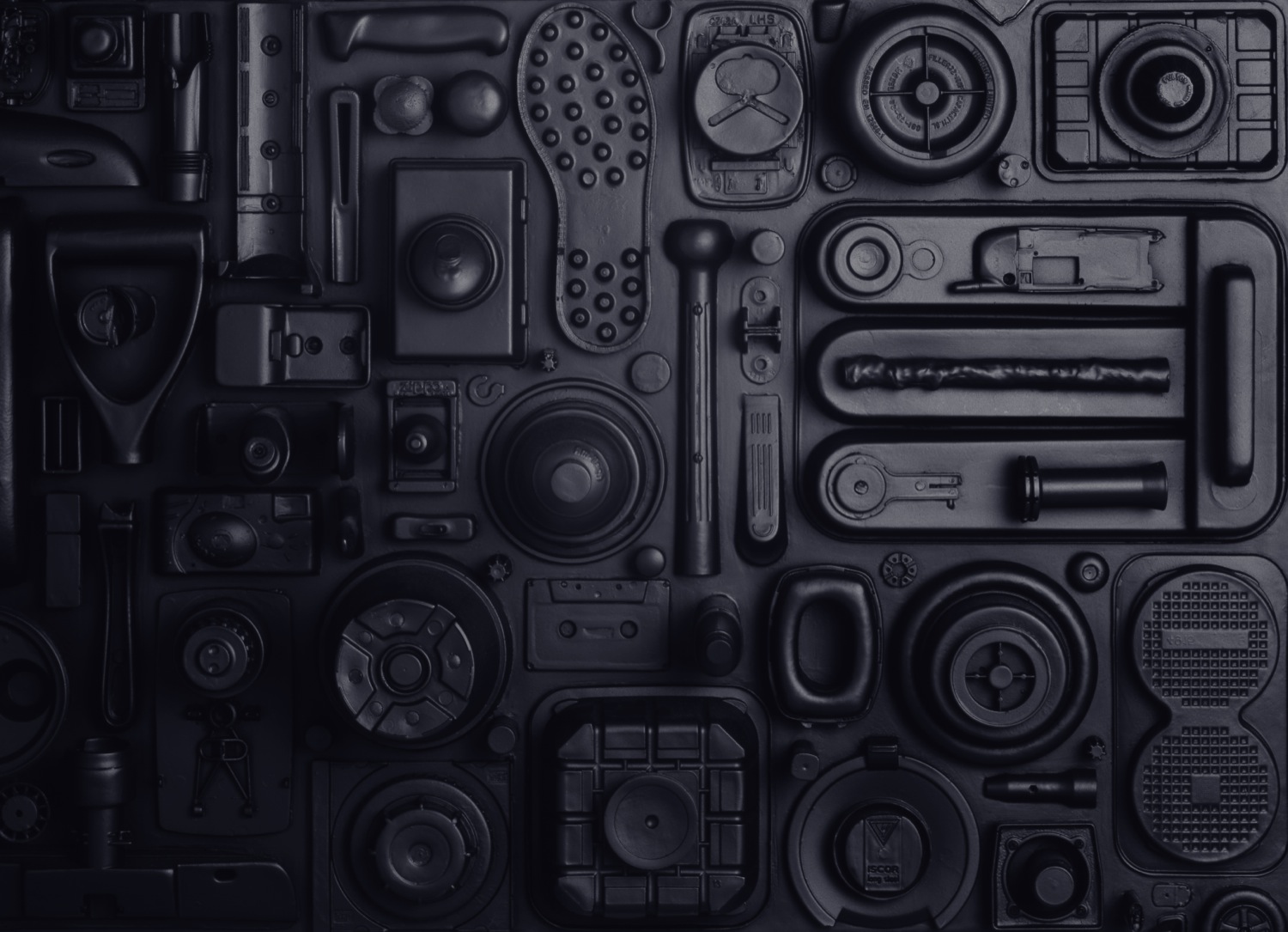
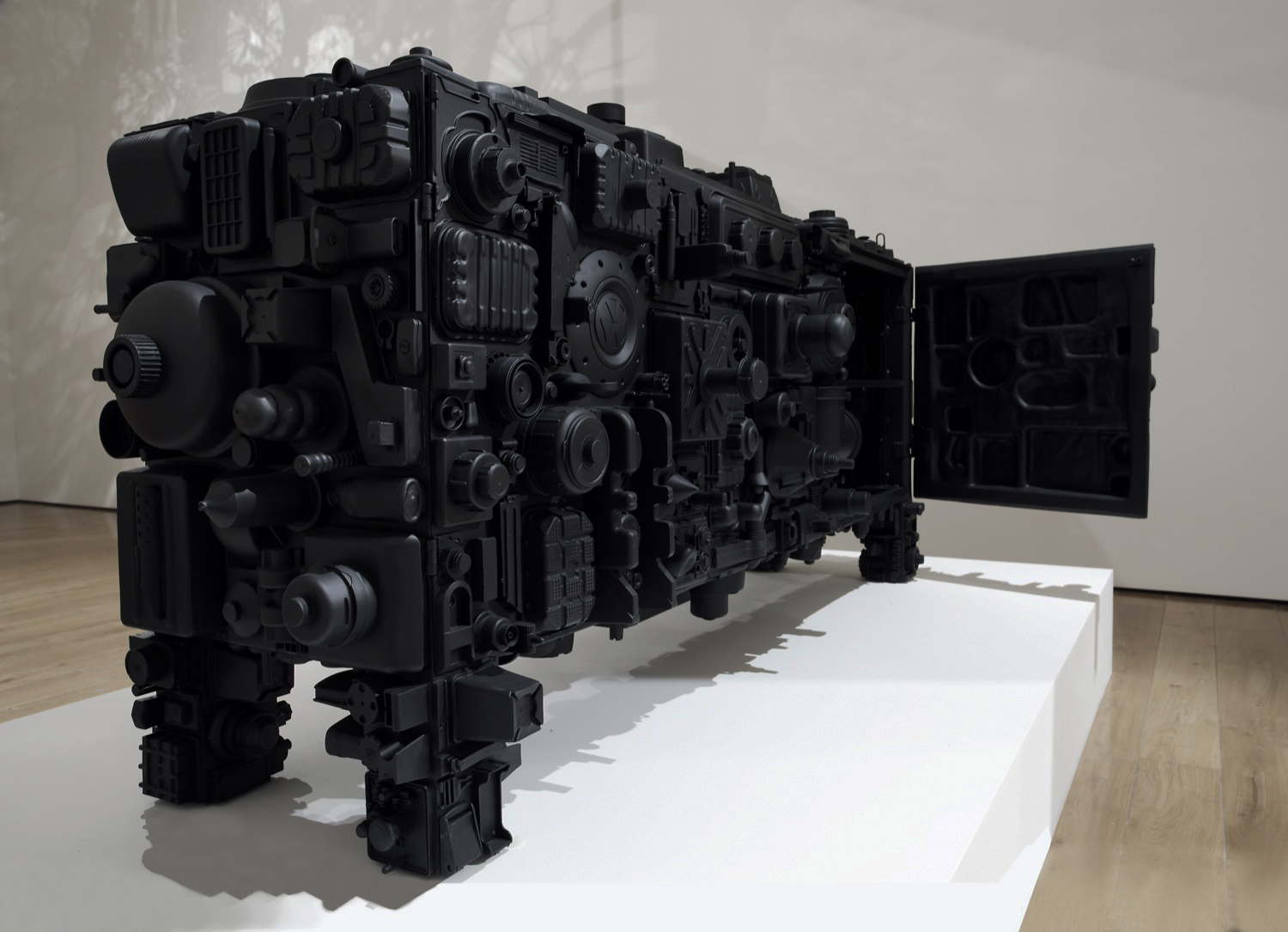
In place of natural barnacles, I turned to an archive of black plastic objects collected from Dungeness Beach in Kent. These fragments—remnants of human consumption—were repurposed to mimic the clustered growth patterns found in marine environments. Each object is meticulously positioned onto a simple sideboard form, exaggerating and mutating its original geometry. Every surface is densely colonised, leaving no area untouched, as if the piece has undergone its own kind of submersion and subsequent biological takeover.
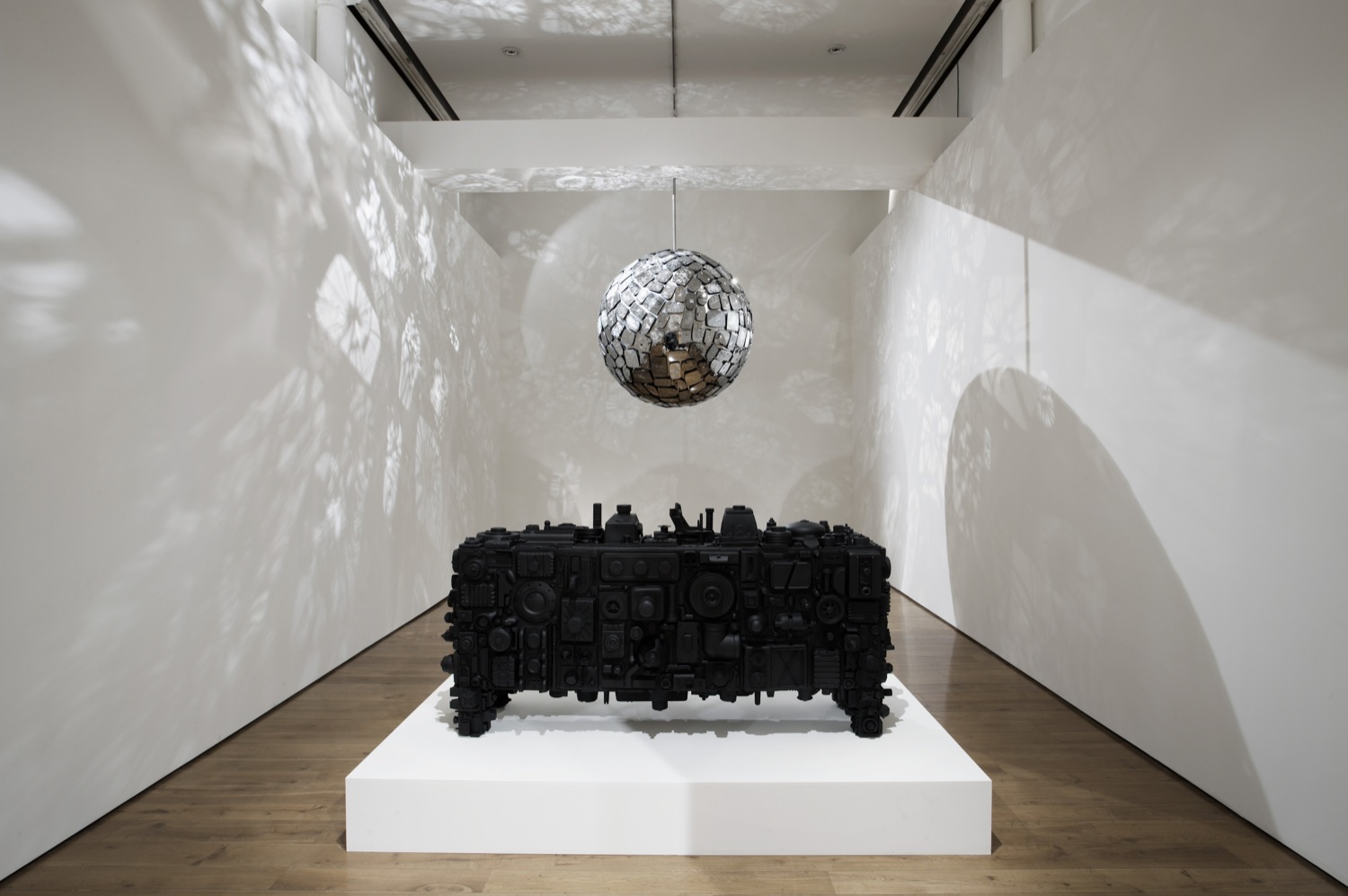
To create a cohesive visual presence, the various plastic items were cast in black polyester resin, unifying them into a single sculptural skin. Despite its heavily encrusted exterior, the sideboard remains completely functional: a concealed door on each side opens to reveal adjustable shelving, and two central drawers offer additional storage. This juxtaposition between ornamentation and utility echoes the dual nature of shipwrecks themselves—objects that once served a purpose, now transformed into living habitats.
Ultimately, the work becomes a meditation on accumulation, transformation, and the dialogue between human-made debris and natural processes. By reimagining plastic waste as a form of artificial marine growth, the piece highlights how our materials endure, migrate, and become unwitting participants in new ecologies—whether above or below the water’s surface.